
Wherever deer and rabbits are numerous, they’re bold enough to come right up to your deck or porch stairs to feast on your potted flowers and vegetables. Protect your garden from becoming a restaurant for these creatures by using this list of deer and rabbit-resistant container plants. Of course, like every human, every animal has different tastes, so no plant can ever be considered completely safe from being eaten.
Dusty Miller
As a general rule, gray or silver leaves mean rabbit and deer-resistant container plants. It’s probably because most silver plants, such as dusty miller, have slightly fuzzy leaves that don’t rate high on their preferred menu. Another nice thing about dusty miller is that it thrives in containers and creates a lovely contrast to other more brightly-colored flowers.
Dusty miller also maintains its leaf color right up until frost. You might try growing this deer-resistant plant along the edges of your pots and planters to help discourage curious nibblers.
Season of Bloom: Rarely flowers
Growing Conditions: Full sun to part shade in evenly moist, well-drained soil
Size: Up to 18 inches tall
Zones: grown as annual
Tricolor Sage
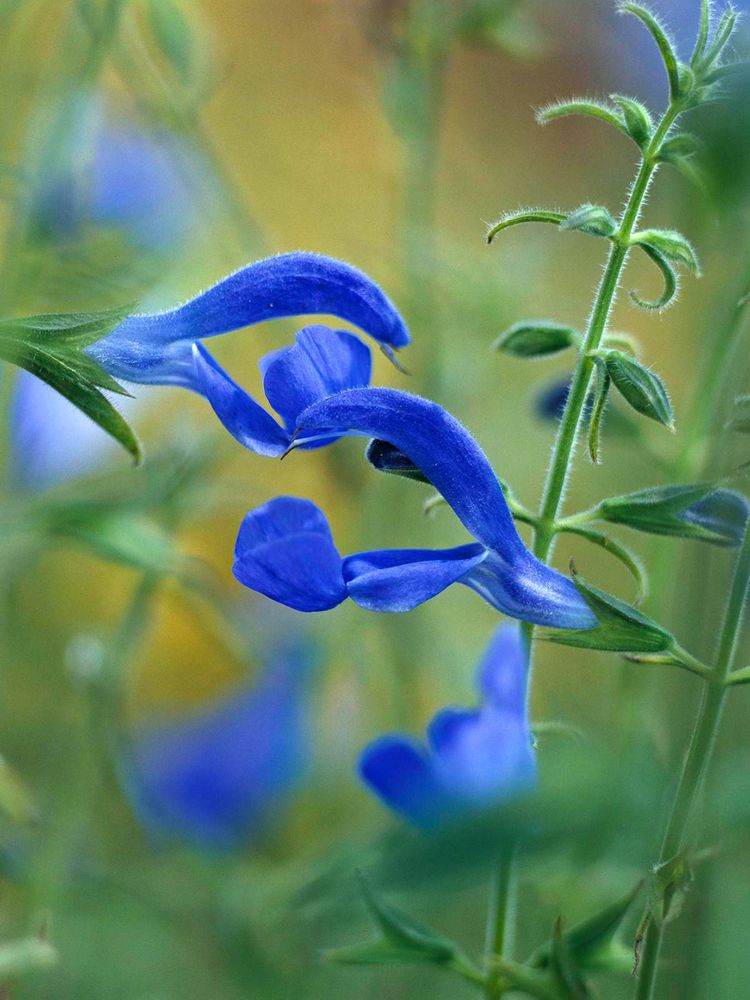
Aromatic herbs with brightly colored leaves make great companions for annual flowers in pots and planters. Tricolor sage, for example, develops beautiful green, white, and pink leaves that blend well with annual flowers. What’s more, the foliage has a strong sage fragrance that deer and bunnies avoid. Happily, the leaves are edible for humans and can be substituted in the kitchen for common sage if you’re in a pinch. Try mixing it with purple and golden sage in the same container for a fun look.
Season of Bloom: Spring
Growing Conditions: Full sun in evenly moist, well-drained soil
Size: Up to 18 inches tall
Zones: grown as annual
Marigold
These beauties have strong-smelling foliage and thick, unpleasant-tasting sap that makes them rabbit and deer-resistant container plants. Marigolds come in a wide variety of forms that vary slightly in their ability to ward off nibbling marauders. The best marigolds to grow in deer and rabbit country are old-fashioned Signet marigolds and dwarf French marigolds. Both types of marigolds grow 12-18 inches tall and are ideal for container culture.
The taller American or African marigolds, which grow up to 3 feet tall, aren’t as happy growing in containers and will be sampled by an occasional deer or bunny.
Season of Bloom: Summer
Growing Conditions: Full sun and evenly moist, well-drained soil
Size: Up to 1 foot tall
Zones: annual
Heliotrope
Dark-green, pleated leaves, and lovely scented flower heads make heliotrope a top rabbit and deer-resistant container plant. Why? It’s because these hungry creatures don’t like to feast on fragrant plants, even if they smell wonderful to humans. Heliotrope produces large vanilla-scented, dark-blue, or purple flower heads all summer on stems that grow 12-18 inches tall.
Heliotrope is a popular plant with butterflies, which flock to its nectar-rich blooms. The plants are best treated as an annual in all but the warmest regions of the country.
Season of Bloom: Summer to fall
Growing Conditions: Full sun to part shade in evenly moist, well-drained soil
Size: Up to 18 inches tall
Zones: grown as annual
Verbena
Deer and rabbits have to be pretty desperate to take a bite out of verbena. That’s because the leaves are relatively small and rough to the touch, with a sharp flavor that grazers avoid. This stunning annual flower is available in various colors and comes in upright or trailing forms (both make beautiful container plants). The flowers form slightly rounded heads on the end of each stem.
Verbena is drought resistant and won’t wilt dramatically if you occasionally forget to water it. Feed this deer-resistant annual every few weeks to keep the flower show going all summer.
Season of Bloom: Spring to frost
Growing Conditions: Full sun in evenly moist, well-drained soil
Size: Up to one foot tall
Zones: grown as annual
Euphorbia
Have you ever noticed that if you accidentally break off a branch of your holiday poinsettia, it “bleeds” a thick white sticky sap? Well, that sap is typical of all members of the euphorbia genus, including container gardening varieties such as ‘Diamond Frost’ or ‘Glamour White.’ They’re a great “filler” plant for containers and hanging baskets, producing endless clouds of small white blooms throughout the summer. And, like other members of the family, these rabbit and deer-resistant container plant stems contain a thick white sap critters don’t like.
Season of Bloom: Summer
Growing Conditions: Full sun to part shade in well-drained soil; will tolerate drought
Size: Up to 18 inches tall
Zones: grown as annual
Iceland Poppy
Easily grown from seed in pots or planters, Iceland poppies develop spectacular crepe-paper-like blooms on wiry stems that seem to dance when the wind blows. Iceland poppies grow 12-18 inches tall and come in various colors, including orange, yellow, pink, white, salmon, and cream. The hairy leaves, which deer and bunnies avoid, are all clustered at the base of the plant.
To prolong the bloom season of these lovely annuals, remove the flowers as they fade. It’s also probably not a surprise that a plant with Iceland in its name prefers cool spring or fall weather.
Season of Bloom: Spring
Growing Conditions: Full sun in evenly moist, well-drained soil
Size: Up to 2 feet tall
Zones: 2–7
Ageratum
The fuzzy, flat-top, blue, purple, rose, or white blooms of ageratum are so cute you might be tempted to pet them. But luckily, deer and rabbits won’t give them a second look. Growing 8-12 inches tall, ageratum, also called floss flower, does need a lot of moisture and will wilt dramatically if allowed to get too thirsty. Clip away the flower heads as they fade to keep the plants looking good. Ageratum will flower nonstop right up until the first frost.
Season of Bloom: Summer to frost
Growing Conditions: Full sun to part shade in evenly moist, well-drained soil
Size: Up to 30 inches tall
Zones: grown as annual
Snapdragon
The bright, candy-colored snapdragon blooms might look sweet to us but are rabbit and deer-resistant container plants four-legged pests find completely unappealing. Snapdragons vary in size from 8-inch dwarfs to 3-foot-tall giants, but they all offer plenty of color in pots and planters. There are also trailing forms that are perfect for hanging baskets.
Snapdragons like cool weather, so you can rely on them to brighten your spring or fall garden. Colors include white, red, yellow, pink, orange, and bicolor. Snapdragons are annual plants that often stop blooming in midsummer but might pop up again when cooler fall weather arrives.
Season of Bloom: Spring and fall
Growing Conditions: Full sun and evenly moist, well-drained soil
Size: Up to 3 feet tall
Zones: grown as annual
Lantana
Considered an annual in the north and a perennial in the Deep South, lantana blooms its head off during hot weather. Its beautiful, nectar-rich flowers attract mobs of hungry butterflies to your garden but never seem to be on the menu for rabbits or deer (probably because the foliage releases a pungent scent when rubbed or brushed). Lantana is drought-resistant, which makes it a great container plant for gardeners who forget to water. Colors include yellow, red, white, lavender, orange, red, and a host of bicolors.
Season of Bloom: Summer to frost
Growing Conditions: Full sun and evenly moist, well-drained soil
Size: Up to 4 feet tall
Zones: grown as annual
Cleome
A super easy, sun-loving annual, cleome forms lovely rounded heads of purple, pink, or white flowers with long thin stamens that give the plant its common name, spider flower. This plant can grow 3-5 feet tall, so it isn’t ideal for container culture, but new dwarf varieties are perfect for pots and planters, as they only grow 12-18 inches tall. Hungry critters avoid this plant due to its sticky, resinous foliage and tiny spines along the stems. But butterflies and other pollinators love the nectar-rich blooms and will flock to your garden when the buds open.
Season of Bloom: Summer to fall
Growing Conditions: Full sun to part shade in dry to moderately moist, well-drained soil
Size: Up to 4 feet tall
Zones: annual
Sweet Alyssum
Low-growing and deliciously fragrant, sweet alyssum mingles well with any other container plant that shares its sun-worshipping habit. This little trailer rarely grows over 8 inches tall but can quickly spread 12-18 inches long, tumbling over the edge of pots, planters, window boxes, and baskets. Flower colors include white, rose, and purple. Its honey-scented blooms will attract scores of pollinators to your garden while repelling the hungriest deer and rabbits.
Season of Bloom: Spring
Growing Conditions: Full sun to part shade in evenly moist, well-drained soil
Size: Up to 9 inches tall
Zones: grown as annual
Persian Shield
Once you’ve grown Persian shield, you’ll want to plant it every spring. That’s because this amazing annual develops spectacular, iridescent purple, green, and black foliage that shines in the sun or partial shade. The plants grow 18-36 inches tall, so they make an ideal centerpiece in a large pot or planter. Persian shield is a drought-tolerant container plant resistant to rabbits and deer.
Season of Bloom: Infrequent bloomer
Growing Conditions: Full sun to part shade in evenly moist, well-drained soil
Size: Up to 3 feet tall
Zones: 10–11
Black-Eyed Susan
Annual varieties of Black-eyed Susan bloom quickly from seed and keep on flowering right up until frost. This nonstop color show is what makes them an ideal container plant, especially for hot, sunny conditions. Varieties include ‘Indian Summer’, ‘Cherokee Sunset’, ‘Toto,’ and ‘Becky.’ Heights vary from 8 to 18 inches tall, but no matter how tall they are, these beauties all attract pollinators. However, most deer and rabbits pass them by because the plants have rough, hairy leaves.
Annual black-eyed Susan gets knocked back by the first frost but often self-seeds, so you can rely on new plants every spring.
Season of Bloom: Summer
Growing Conditions: Full sun in evenly moist, well-drained soil
Size: Up to 3 feet tall
Zones: 3–7
Cilantro
Few herbs are as flavor-controversial as cilantro. Beloved by many cooks and gardeners, this intensely flavorful herb turns some people off. Cilantro makes a wonderful deer and rabbit-resistant container plant, although they’ll sample your plants if there’s not much else to eat.
Cilantro develops bright green clusters of flat, aromatic leaves that mix well with other herbs or annual flowers. It prefers cool weather and will form white flowers once the weather heats up (cilantro seeds are harvested as coriander). This vigorous, easy plant will often spread through your garden if you allow it to. Clip the leaves at any time for use in the kitchen.
Season of Bloom: Summer to fall
Growing Conditions: Full sun to part shade in evenly moist, well-drained soil
Size: Up to 2 feet tall
Zones: annual
Columbine
A popular pick for the shade border, columbine is also available in dwarf forms that fit easily into containers. Growing 10-15 inches tall, columbine develops gorgeous, crownlike blooms in shades of pink, blue, yellow, lavender, cherry, white, and bicolor. This pretty little plant blooms in cool weather, so pot it early in the season. Both deer and rabbits avoid this lovely plant.
Season of Bloom: Spring
Growing Conditions: Full sun to part shade in evenly moist, well-drained soil
Size: Up to 3 feet tall
Zones: 3–8
Sedum
You could create an entire container garden just using sedums. These fleshy-leaf beauties come in many shapes, sizes, and colors that mix and match perfectly in containers of all types. Sedums are generally not bothered by deer or rabbits (or anything else, for that matter) and can survive periods of severe heat and drought. Use low-growing and creeping varieties, such as ‘Angelina,’ to edge your pots or baskets and let taller varieties, such as ‘Matrona,’ take center stage in big planters.
Season of Bloom: Summer
Growing Conditions: Full sun in dry to moderately moist, well-drained soil
Size: Up to 6 inches tall
Zones: 5–8
Yucca
When you need a plant that thrives in containers, adds drama and color to your landscape, and completely resists deer and bunny attacks, yucca is a must. This perennial is also heat- and drought-resistant, making it ideal for gardeners who don’t like to fuss over things. Yucca comes in green and variegated forms and can grow 12-36 inches tall. If you have young children, you might want to use scissors to gently trim the points of the leaves to prevent accidents.
Season of Bloom: Summer
Growing Conditions: Full sun and dry to moderately moist, well-drained soil
Size: Up to 8 feet tall
Zones: 5–10