
Citronella plant (Pelargonium citrosum) is a fragrant annual (and in warm climates perennial) form of scented geranium. Also called mosquito plant or lemon geranium, it is known for the strong, citrus-like fragrance that quickly wafts from its crushed leaves. The scent of citronella plant is reminiscent of citronella grass (Cymbopogon nardus) or its cousin, lemongrass. The claims that the citronella plant repels mosquitoes and other insects are not proven. Nonetheless, it is worth growing for its pretty serrated, aromatic leaves and its occasional lavender-pink blooms as well as easy care. The citronella plant can also be grown as a houseplant.
The cultivar that was originally dubbed "citronella plant" is Pelargonium citrosum 'van Leenii', but since its debut in the early 1990s, several other citrus-scented geraniums have been mistakenly given that name.
The citronella plant is toxic to humans and pets.
Citronella Plant Overview
| Genus Name | Pelargonium Citrosum |
| Common Name | Citronella Plant |
| Additional Common Names | Mosquito Plant, Scented Citronella Geranium, Lemon Geranium |
| Plant Type | Annual, Perennial |
| Light | Part Sun, Sun |
| Height | 1 to 2 feet |
| Width | 1 to 3 feet |
| Flower Color | Pink, Purple |
| Foliage Color | Blue/Green |
| Season Features | Summer Bloom |
| Special Features | Fragrance, Good for Containers, Low Maintenance |
| Zones | 10, 11, 9 |
| Propagation | Stem Cuttings |
| Problem Solvers | Deer Resistant, Drought Tolerant |
Where to Plant Citronella Plant
Citronella plant grows equally well in full sun or part shade. In regions with intense summer heat, give your plant afternoon shade. A porch or patio that receives morning sunlight and some afternoon shade is perfect.
Plant it along a walkway where you are likely to brush up against the leaves. It only releases its refreshing, vibrant, lemony scent when its leaves are touched. Pair it with fragrant herbs and perennials to give your garden a complex, welcoming aroma.
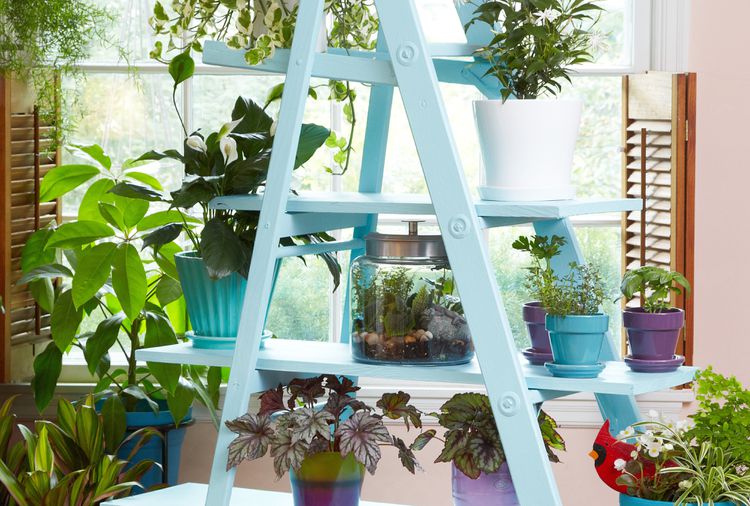
Indoor-grown citronella plants need lots of direct sunlight—at least 6 hours each day—and relatively high humidity of at least 40%. Consider placing it in a south-facing kitchen or bathroom window.
How and When to Plant a Citronella Plant
The best planting time is in the spring or fall. Delay planting until after the danger of frost has passed and harden off the plant for two weeks. Dig a hole slightly wider, but just as deep as the plant’s root ball. Remove your citronella plant from its container and ease apart the roots with your fingers. Place the plant in the hole and backfill with the original soil.
Space plants 12 to 18 inches apart.
Indoor-grown citronella plants can be potted at any time.
When buying a citronella plant, look for one with healthy, deep green leaves. If you can, gently remove the plant from the container and take a peek at the roots. The roots should be bright white and just beginning to reach the edges of the container. Avoid plants that have tightly matted roots along the outer edge of the root ball.
Citronella Plant Care Tips
The citronella plant is easy to care for and can tolerate a little neglect.
Light
Citronella plants need full sunlight to thrive but can tolerate light afternoon shade—especially in regions with punishingly hot summers.
Indoor-grown citronella plants also need lots of sunlight and may grow leggy with less than 6 hours of direct sun exposure each day.
If your citronella plant is getting tall, straggly, and leggy, chances are, it is not getting enough sun. Move potted plants to a sunnier location and check the shade around your in-ground citronella plants. Make sure trees, shrubs, and structures aren't blocking the sun.
Soil and Water
Like most scented geraniums, citronella plant prefers well-drained soil and will tolerate dry soil. Avoid wet or boggy growing areas because citronella plants may rot in soggy soil.
Let the soil dry slightly between waterings and water your citronella plant only when the top two inches of soil feel dry to the touch.
Water a potted citronella plant deeply, allowing excess water to flow out of the drainage holes in the bottom of the container. Water only when the top inch of the soil is dry to the touch.
Temperature and Humidity
Citronella plants fare best in temperatures between 50° and 80°F with a humidity level between 40% and 70%.
The plants are frost-tender and won't survive freezing temperatures. To overwinter your citronella plant indoors, promptly move it inside when night temperatures dip to 45°F. Don't wait—if citronella plants remain outside during cool nights, they will struggle to adjust to indoor growing conditions.
Gradually move your plant outside again in the spring when the danger of frost has passed and nighttime temperatures stay consistently above 50°F.
Fertilizer
Citronella, like other scented geraniums, doesn't require much fertilizer throughout the growing season. Mix a slow-release granular fertilizer into the soil at planting time to satisfy its nutrient needs.
Pruning
Citronella plants grown as annuals don't require pruning, but you can encourage a more compact, bushy plant by pinching it off (just below the flower) with your thumb and forefinger early in the season. It's also wise to remove spent blooms as they appear.
In addition, citronella plants grown as perennials may benefit from occasional pruning to maintain a pleasing shape. If necessary, use sharp, sterile shears to cut it back hard (no more than half) at the end of autumn. Leave at least a few strong sets of buds near the base of the leaves.
Potting and Repotting
Citronella plant makes an excellent container plant if given at least 6 hours of sun exposure each day. Plant your citronella plant in a container filled with fast-draining potting mix or a 1:1 mix of peat and perlite. Citronella plants are fast-growing, so choose a pot relative to the size of the root ball plus a couple of inches.
Annually-grown citronella plants shouldn't need to be repotted, but those grown as perennials or houseplants should be repotted every 2 to 3 years—even if you are just replacing the soil in the same pot. If your plant has outgrown its current pot, upgrade to a container 2 to 3 inches larger.
In the spring, as new growth is just beginning, ease your citronella plant from its container and gently tease apart the roots. Massage the roots to remove as much of the old soil as possible. Set the plant aside. Partially fill your new (or freshly cleaned) container with fresh soil and place the plant so it sits at the same level in the soil. Finish filling the container and gently tamp down the soil to secure the plant. Water thoroughly and add more soil if necessary. Water again and let the excess drain away.
Pests and Problems
Citronella plants aren't prone to serious pest problems but keep an eye out for aphids, whiteflies, cabbage loopers, mites, and cankerworms.
In soggy soil, the plant may get root rot. Allow the soil to dry out between waterings. To prevent fungal problems, ensure good air circulation by properly spacing plants apart and avoid overhead watering.
How to Propagate Citronella Plant
The easiest way to propagate citronella plant is via cuttings. To do so, take 3- to 5-inch softwood cuttings in the spring from healthy new growth. Remove all but the top few leaves and dip the cut end into a rooting hormone. Plant the cutting in a prepared pot of moist, well-drained potting soil.
Keep the cutting in a warm, bright location with lots of indirect light for 30 to 45 days. Mist the leaves every few days. Once the cutting has established roots, transplant it outdoors or to a larger container.
Another option is to propagate citronella plant cuttings in water. In the spring or summer, place a healthy 4- to 6-inch cutting in a small container of clean, distilled, or filtered water. You want the nodes submerged, but your container should be shallow enough for the leaves to be above the water level. Place your container in a bright location with lots of indirect sunlight and change the water every 3 to 5 days. Once your cutting forms new roots (about 4 to 6 weeks), move it to a container filled with moist, well-drained potting soil.
Citronella Plant Companion Plants
Beautyberry
American beautyberry (Callicarpa americana) is a showstopping shrub that gets its name from a gorgeous display of bright purple berries in the fall. It features lovely green leaves, which last throughout the growing season, and act as a verdant backdrop for both flowers and berries. Beautyberry prefers full sun and moist, well-drained soil. It grows 3 to 10 feet tall and 4 to 8 feet wide in zones 5-10. The low-maintenance shrub is native to the southeastern United States and a popular addition to southern gardens. Zone 5-10
Crape Myrtle
Crape myrtle is another southern favorite that comes in a brilliant array of colors. It grows quickly (in zones 6-10) and thrives in heat, sunshine, and humidity. Like citronella plants, crape myrtles prefer locations with full sun and loamy, slightly acidic, well-drained soil. In warm regions, the flowering shrub grows up to 25 feet tall. So, plan to prune or place your crape myrtle where it won't cast too much shadow on sun-loving annuals and perennials below. Zone 6-10
French Marigold
A garden favorite for their brightly-colored flowers, French marigolds are easy to grow and care for. Even better, these heat-loving annuals are known for repelling both tiny pests (like whiteflies, tomato hornworms, cabbage worms, and thrips) and large pests (like deer). French marigolds bloom in shades of orange, yellow, and red throughout the summer growing season—sometimes even lasting until the first frost. These annuals fare best in full sun and well-drained soil. They make cheerful additions to garden beds and borders and are excellent container plants.
Lemongrass
If you are planting citronella for its pest-repelling properties, consider planting lemongrass instead or as a companion plant. The tropical plant (which is native to southeast Asia) is prized for its intense citrus-like scent that doubles as an insect repellent. In warm climates (zones 9-11), it is grown in the garden year-round. Below Zone 9, it is either grown as an annual or planted in containers and overwintered indoors. Lemongrass prefers full sun and moist, well-drained soil that is slightly acidic, neutral, or slightly alkaline. Zone 9-11
Phlox
In areas where citronella plant only grows as an annual, phlox is a dependable summer bloom that no sunny flowerbed or border should be without. There are several kinds of phlox to choose from but most grow 6 to 24 inches tall and thrive in full sun and moist, rich soil with excellent drainage. Phlox is hardy in zones 3-8 and a popular plant among pollinators. Zone 3-8
Rosemary
Rosemary is a hardworking perennial evergreen shrub (in zones 7-10) that is known for its fragrance and flavor. Like citronella plant, rosemary prefers well-drained, slightly acidic soil and doesn't like overwatering. Some cultivars grow easily into shrubs that are several feet tall. Others are more compact and perfect for containers. Look for one suitable for your landscape and place it along patio borders where it will drive away pesky insects like flies and mosquitoes. Zone 8-10