
Ginger is one of the oldest documented spices—it’s been used for centuries for seasoning Asian and Indian dishes. It’s a familiar ingredient in today’s kitchens, its warm flavor enhances many dishes from curries and stews to gingerbread and beer. It also makes a refreshing tea. It’s available dried and ground, but its flavor is far more impressive when you use the fresh root. You can buy ginger at most grocery stores, but it's also easy enough to grow and harvest your own ginger root at home.
Ginger hails from the tropical forests of Southeast Asia, where it grows as a herbaceous perennial. Its bamboolike shoots bear narrow, glossy, bright green leaves. In cooler climates, ginger makes a great houseplant or it can be grown outdoors as a summer annual either in the ground or in a container. It is sensitive to cold and needs a bit of shade, but otherwise it’s easy to grow.
The part of the plant that is used both in cooking and for starting new plants is called a ginger root, which is actually a rhizome—a thickened stem that grows along or just below the soil line. Even if you grow a single ginger plant, you’ll have lots of fresh ginger for all your favorite recipes.
Ginger Overview
| Genus Name | Zingiber officinale |
| Common Name | Ginger |
| Additional Common Names | Canton Ginger |
| Plant Type | Herb, Houseplant, Perennial |
| Light | Part Sun |
| Height | 2 to 4 feet |
| Width | 2 to 3 feet |
| Flower Color | Green, Yellow |
| Foliage Color | Blue/Green |
| Special Features | Good for Containers |
| Zones | 10, 11, 8, 9 |
| Propagation | Division |
Where to Plant Ginger
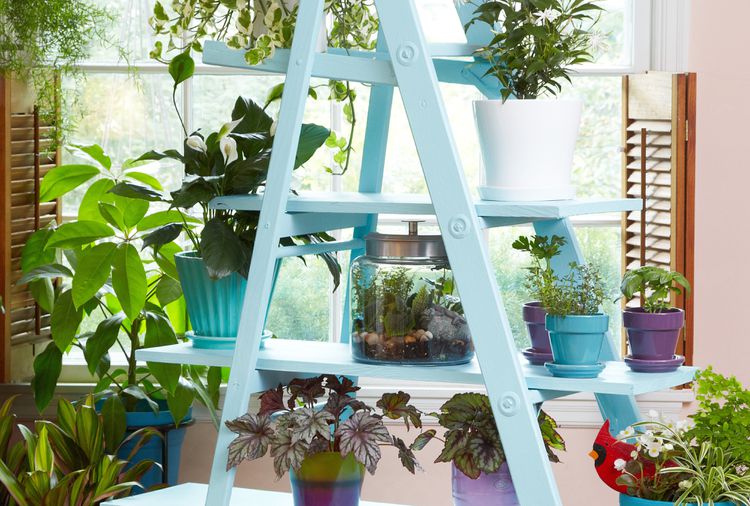
Ginger can be grown year-round as a houseplant or outside in warm weather. It does not tolerate full sun, so give it bright indirect light indoors; outside it will grow best in filtered or part shade. It makes a great patio container plant and can be brought indoors before the weather turns cold in fall.
How and When to Plant Ginger
To start a new ginger plant, use a piece of a ginger root (the rhizome) with at least two eyes (nodes from which the new plant will grow). Select a large container that is at least 18 inches across and 12 inches deep, and be sure it has a good drainage hole. Fill it within a couple inches of the top with a well-draining potting soil. Set the rhizome horizontally on the soil surface with its most prominent eyes facing upwards, then cover it with about an inch of soil. Keep it moist but not soggy. It will send up shoots after a few weeks.
You can plant a ginger root indoors any time of year if you are growing it as a houseplant. But starting plants in late winter or early spring is best if you want to move pots outdoors for summer where they will produce more and larger rhizomes. Do not move plants outdoors until night temperatures are above 55°F. If you live in a very warm climate, ginger can be grown outdoors all year.
Ginger Care Tips
Ginger is an easy plant to grow and is rarely troubled by pests or disease. Although it does not tolerate cold temperatures, it will thrive outdoors in summer and can be brought inside when the weather cools in fall if you live in a colder region.
Light
As an indoor plant, grow ginger in bright indirect light. Outdoors it will grow best in part shade, especially with some protection from afternoon sun. A partly shady location, with a few hours of morning sun, or all day filtered sun is ideal. Although more sun may increase the production of rhizomes, it will cause leaves to scorch, giving the plant a less attractive appearance.
Soil and Water
Ginger grows best in a slightly acidic soil (pH of 6.0 to 6.5) with excellent drainage. If planting ginger in the ground, add plenty of compost to help retain water and improve drainage. If growing it in a container, use a high quality potting mix.
As your ginger plant grows, its rhizomes may become exposed on the soil surface; covering them with compost or potting soil will protect them from sun scorch and encourage more rhizome development. Keep the soil evenly moist. Never let the soil dry out completely, but avoid overwatering, which may cause rhizomes to rot. Outdoors, a layer of mulch will help keep soil evenly moist. Reduce watering as you approach harvest time (as leaves begin to die back).
Temperature and Humidity
Ginger is a tropical plant and thrives in a warm, humid environment, so your best bet is to try to mimic these conditions. It grows very well as an outdoor container plant where summers are hot and humid, with temperatures remaining between 60 and 90°F. Bring potted plants indoors before temperatures drop below 55°F.
Fertilizer
Ginger is a heavy feeder. Incorporate a slow-release fertilizer into the garden soil or potting soil at planting time. Apply a liquid fertilizer such as fish emulsion, or kelp every 3 to 4 weeks.
Harvesting and Storing Ginger
Baby ginger is usually harvested 5 to 8 months after planting; rhizomes are thin-skinned, white with a pink tint. Mature ginger, with its tan outer skin, is harvested 9 to 10 months after planting. To harvest, remove the plant from its pot or dig up the entire plant from the ground. Knock off as much soil as possible then rinse rhizomes thoroughly under running water. Break the rhizomes into sections and allow them to air dry before storing your ginger root. They can be kept in the refrigerator for a few weeks, or placed in a plastic bag in the freezer for up to 5 months. Rhizomes can also be dehydrated.
Pests and Problems
Although ginger rarely encounters problems with pests, mealybugs, spider mites, and aphids sometimes infest plants. These can usually be removed (or their damage minimized) with a hard spray of cold water. You may need to repeat this treatment a few times.
Too much sun will burn leaves and lack of water will cause leaves to brown, so locate plants where they receive indirect light indoors and some shade outside. Do not allow soil to dry out. Overwatering can cause rhizomes to rot so be sure to use a soil with excellent drainage and a pot that has an adequate drainage hole. Do not let the soil get soggy.
How to Propagate Ginger
Use a piece of a plump rhizome with at least two eyes to start a new plant. It’s best to use ginger root from an organic market or supplier because some grocery store ginger is treated with a growth inhibitor to prevent sprouting. If using ginger root from the grocery store, soak it overnight in water to remove or dilute the growth inhibitor. After harvesting the rhizomes, you can replant a section of the rhizome to start a new ginger plant.
Types of Ginger
In addition to the common ginger (Zingiber officinale) found in grocery stores, there are several less common species of Zingiber with culinary, medicinal, or ornamental uses. Pinecone ginger (Z. zerumbet), native to India and Southeast Asia is also called shampoo flower. A fragrant liquid can be extracted from the yellow flower which is used as an ingredient in shampoos and hair conditioners. Beehive or Malaysian ginger (Z. spectabile) is used medicinally to treat inflammation and headaches, and as a food preservative.
Ginger Companion Plants
Because ginger grows best in part shade, good choices for ornamental outdoor companions—either in ground or in containers—include impatiens, coleus, and bedding begonia. The deep green leaves of ginger serve as a foil for the colorful leaves of coleus or the flowers of impatiens and begonia. And ginger’s upright habit provides a pleasing contrast to rounded or mounding habits of the ornamental annuals.