What Is Rooting Hormone? Plus How to Use It to Propagate Your Plants

31.9K
2.2K
1K
2025-11-12
What Is Rooting Hormone? Plus How to Use It to Propagate Your Plants

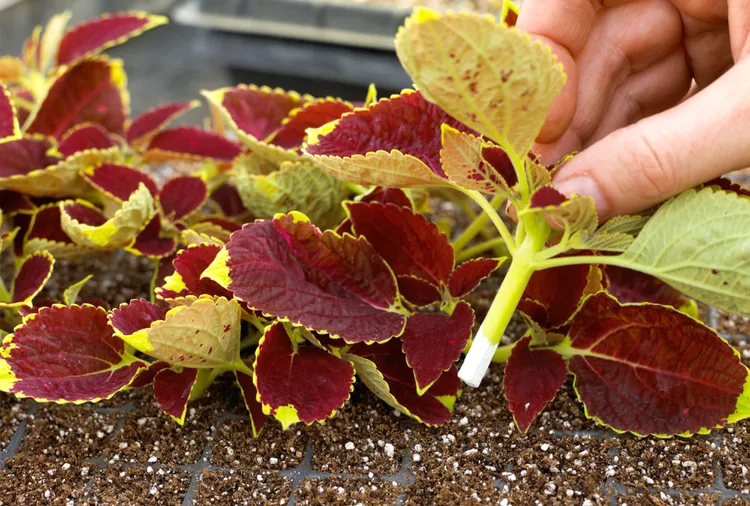
Trying to grow new plants from the cuttings of your existing plants? Break out the rooting hormone. Rooting hormone is usually a substance that you apply to plant cuttings. This hormone speeds the growth of roots that turns your cutting into a new plant. Think of it as a secret weapon in plant propagation. Using a rooting hormone increases the chances that your cuttings of stems and leaves will become plants instead of dying before they grow roots. 

Types of Rooting Hormone

Synthetic Rooting Hormone

This chemical is produced commercially and contains indole-3-butyric acid (IBA,) an artificial version of the natural plant hormone auxin. Naphthalene acetic acid (NAA) is another synthetic rooting hormone that slows rotting while stimulating root growth. Synthetic rooting hormones come in a powder, liquid, or gel, and you can buy them from home improvement stores and plant sellers.

Pros: Your cuttings will develop roots faster and more reliably. You’ll look like a propagation pro when you use this stuff. 

Cons: Synthetic rooting hormone can irritate your eyes, skin, or respiratory tract if you touch it or inhale it. It’s a caustic chemical, recognized as a pesticide by the Environmental Protection Agency.

Wear gloves when applying synthetic rooting hormone to cuttings, and be careful not to inhale or ingest the material.

Natural Rooting Hormone

Natural rooting hormone is also available commercially and is usually made from ingredients derived from seaweed to promote root growth in cuttings. Most natural rooting hormone contains actual auxin, also known as indole-3-acetic acid (IAA.) Natural rooting powder contains no synthetic growth hormones or fungicides.

Pros: Natural rooting hormones are non-toxic.

Cons: None. 

How Rooting Hormone Works

Just as hormones regulate growth in the human body, plants have hormones that regulate their growth and development. Plants have a chemical called auxin that tells them when to grow roots. 

Synthetic root hormone products contain compounds that mimic auxin while organic or natural root hormone products contain natural compounds that mimic auxin. In a way, rooting hormone is like replacement hormone therapy for plant cuttings. Some root hormones also contain antifungal agents to slow rot, so a cutting has more time to grow roots. 

How to Use Rooting Hormone on Cuttings

With the type of rooting hormone you want to use (powder, gel, or liquid) and the plants you want to propagate in hand, follow these steps:

  1. Use sharp, clean garden shears or a knife to remove a stem cutting from the growing tip of a healthy plant. Get a cutting that is 3-8 inches long and cut near a node on the stem. The node is a swollen portion of a stem where new growth will emerge.
  2. Remove leaves or flowers from the nodes on the lower half of the cutting. 
  3. Moisten the bottom inch or two of the cutting with water.
  4. Pour some rotting hormone into a clean container. Small plant saucers work well for this.
  5. Dip the moistened end of the plant cutting into the root hormone. (Note: If you choose root hormone in a gel form, you will not need to moisten the stem of the cutting to get the hormone to adhere.)
  6. Shake off excess powder by lightly tapping the cutting against the edge of the saucer. 
  7. Lightly moisten fresh potting mix in a small container, then make a hole in the mix with a pencil or chopstick that’s wide enough for the plant stem.
  8. Sink the part of the cutting with hormone on it into the hole and tamp soil around the cutting. 
  9. Keep the cutting warm, 65-75°F is ideal. Put the plant in a bright window in indirect light until it roots, which takes from 2 to 6 weeks, depending on the type of plant.

Tips for Rooting Success

  • Plant cuttings in a clear plastic cup. That way you can see the roots when they grow. 
  • Don’t apply water to the potting mix until you see roots, or you will hasten rot in the cutting. 
  • To keep the cutting hydrated until it grows roots, mist leaves with a spray bottle. The plant will absorb the moisture through openings in its leaves. You can also place a clear plastic ziptop bag over the cutting to keep humidity high around it, but make sure the bag doesn't touch the plant.

Using rooting hormone makes it much easier to propagate plants from cuttings. The hormone gives cuttings a boost that makes them grow into rooted plants faster, creating stronger, healthier plants. It's especially helpful for rooting hard-to-propagate plants, so is a worthwhile product to keep in your gardening toolbag.

Frequently Asked Questions

  • When should I use rooting hormone?

    Use rooting hormone for plants that are known to be difficult to root from cuttings. You’ll improve your success rate with a little chemical help. In general, slow-growing or woody plants can be more difficult to root than soft-stemmed plants. Plants that usually need a root hormone to be successfully propagated include: dahlia, hibiscus, citrus of all sorts, and snapdragon.

  • Besides rooting hormone, what other substances can help cuttings to root?

    Three of the most common homemade propagation aids from natural materials are cinnamon powder, aloe vera gel, and honey diluted with water. These materials don’t contain significant amounts of auxin (the hormone that promotes root growth) but they do have antifungal properties that slow rot and buy time for a cutting to grow roots. They also contain enzymes, sugars, and vitamins that may play a role in promoting root growth. 

Related Article

14 Best Low-Maintenance Outdoor Plants for Containers in Sun or Shade
43.2K
1.7K
172

14 Best Low-Maintenance Outdoor Plants for Containers in Sun or Shade

Choosing the right pot size and selecting low-maintenance outdoor plants to suit your space goes a long way toward achieving an easy-care container garden. These tips and ideas will help you choose beautiful, easy-care container plants.
Top Butterfly Container Garden Ideas
30.3K
3K
605

Top Butterfly Container Garden Ideas

Bring butterflies to your garden—even if you have just a deck or patio—with these easy container recipes.
14 Holiday Planter Ideas That Will Give Guests a Warm Welcome
3.9K
313
156

14 Holiday Planter Ideas That Will Give Guests a Warm Welcome

Use outdoor arrangements to set a festive mood this holiday season. Copy these holiday planter ideas, or use them as inspiration for your custom look.
Best Plants for Mississippi Landscapes
34.2K
1.4K
437

Best Plants for Mississippi Landscapes

These award-winning plants are proven successes in landscapes throughout Mississippi and the South.
What to Know About Hugekultur Gardens and How to Create Your Own
36.9K
3.3K
1.6K

What to Know About Hugekultur Gardens and How to Create Your Own

Find out what hugelkultur is and the benefits this low-maintenance gardening technique provides with step-by-step instructions to create your own.
Your Seasonal Lawn-Care Schedule for the Northeast
32.8K
3.3K
1.5K

Your Seasonal Lawn-Care Schedule for the Northeast

Take the guesswork out of yard work. This lawn-care calendar lets you know when to mow, aerate, fertilize, and seed your yard in the Northeast.
Lawn-Care Calendar for Southern California
42.6K
2.1K
788

Lawn-Care Calendar for Southern California

For a Southern California lawn care schedule, follow our easy seasonal guide.
How to Attract Hummingbirds So They'll Visit Your Garden
46.9K
2.8K
1.3K

How to Attract Hummingbirds So They'll Visit Your Garden

Here's how to attract hummingbirds to your garden so these adorable, fascinating birds become frequent visitors and add their charm to your landscape.
This Bulb Planting Guide Will Help Fill Your Yard with Spring Flowers
13.1K
915
201

This Bulb Planting Guide Will Help Fill Your Yard with Spring Flowers

Find out the best time and how deep to plant each type of spring bulb.
How to Plant and Grow Climbing Roses
9K
269
94

How to Plant and Grow Climbing Roses

Get cottage garden style when you learn to grow climbing roses. They add abundant flowers when grown on pillars, fences, arbors, and gazebos.
Why Are My Dahlias Not Blooming? These 5 Mistakes May Be to Blame
5K
453
194

Why Are My Dahlias Not Blooming? These 5 Mistakes May Be to Blame

Dahlias can add a rainbow of hues to your flower garden, but If you're not sure whether your dahlias look healthy, check out the five most common mistakes when growing dahlias. Find out what you can do to ensure they produce a full show of blooms.
How to Grow a Venus Flytrap as a Houseplant
38.3K
2.3K
551

How to Grow a Venus Flytrap as a Houseplant

To grow a Venus flytrap, you need to give this carnivorous plant special care. Use these tips to keep your Venus flytrap thriving indoors as a houseplant.
How to Fertilize Indoor Plants for the Lushest Growth
23K
1.1K
367

How to Fertilize Indoor Plants for the Lushest Growth

Fine out when and how to fertilize indoor plants, plus the best types of fertilizer to use.
10 Best Carrot Companion Plants to Grow for a Bigger Harvest
5.4K
379
49

10 Best Carrot Companion Plants to Grow for a Bigger Harvest

Carrots get along with most other vegetable plants, but these top carrot companion plants will give you some added benefits.
How to Plant and Grow a Citronella Plant
18.8K
1.5K
285

How to Plant and Grow a Citronella Plant

Citronella plant is a scented geranium that is grown as an annual or perennial or as a houseplant.
Grow the Most Productive Beefsteak Tomato Plants with These 9 Tips
30.7K
2.2K
279

Grow the Most Productive Beefsteak Tomato Plants with These 9 Tips

Beefsteak tomato plants, also called slicers, are easy to grow in vegetable gardens or containers with these simple tips for success.
4 Best Types of Lettuce to Grow in Your Garden
8.8K
795
159

4 Best Types of Lettuce to Grow in Your Garden

Grow these types of lettuce to ensure a steady supply of crisp greens for your salads. Choose from loose-leaf, head, mini head, and best lettuces for containers.
18 Stunning Blue Flowers You’ll Love Having in Your Garden
2K
81
13

18 Stunning Blue Flowers You’ll Love Having in Your Garden

Plants with blue flowers add a calm, cooling splash of color to your landscape. We’ve rounded up blue perennials, annuals, shrubs, vines, and bulbs.
How to Attract Bluebirds to Your Yard: 11 Must-Know Tips
13.4K
1.1K
203

How to Attract Bluebirds to Your Yard: 11 Must-Know Tips

These tips on how to attract bluebirds will help you create a welcoming habitat. Discover the best types of foods, birdhouses, water sources, and more for attracting bluebirds.
The Living Wall Is the Natural Next Step for Decorating with Plants
39.3K
2.7K
467

The Living Wall Is the Natural Next Step for Decorating with Plants

Bring nature indoors in a large-scale way with this green trend. Living walls are walls covered in plants, and there are several different ways to try one in your space.