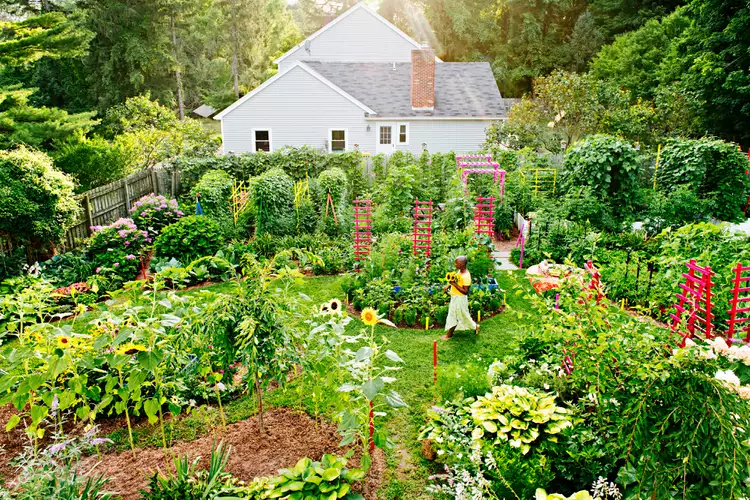
Precisely what is a permaculture garden, and how can you include the principles of permaculture in your own landscape? A portmanteau of the words "permanent" and "agriculture," permaculture is a design philosophy and practice that focuses on sustainability and working in harmony with the ecosystem. The idea is to create diverse, productive landscapes and agricultural systems that are as resilient as natural ones.
Permaculture is a concept that has been reshaping how we think about gardening and landscape design since it was first developed in the 1970s. Permaculture’s influence can be seen in the burgeoning interest in composting, companion planting, and techniques such as no-till gardening.
This beginner-friendly guide to creating a permaculture garden includes design tips and planting suggestions. You may be surprised to find that you already have elements of permaculture in your garden and can easily add a few more.
Benefits of a Permaculture Garden
Conventional gardening utilizes synthetic pesticides, fertilizers, and other soil additives that provide a “quick fix” for plants. However, these methods are rarely sustainable and can deplete soils over time. A permaculture garden helps build soils and doesn‘t rely on synthetic inputs, making it more sustainable. Plus, it offers several other benefits:
- Long-lasting. A permaculture garden can remain productive for generations with minimal human interference.
- Lower maintenance. Keeping a permaculture garden can simplify your gardening maintenance regimen.
- Budget-friendly: You save some money because you don‘t need to replace crops each year, and you can forgo many of the products annual plants require.
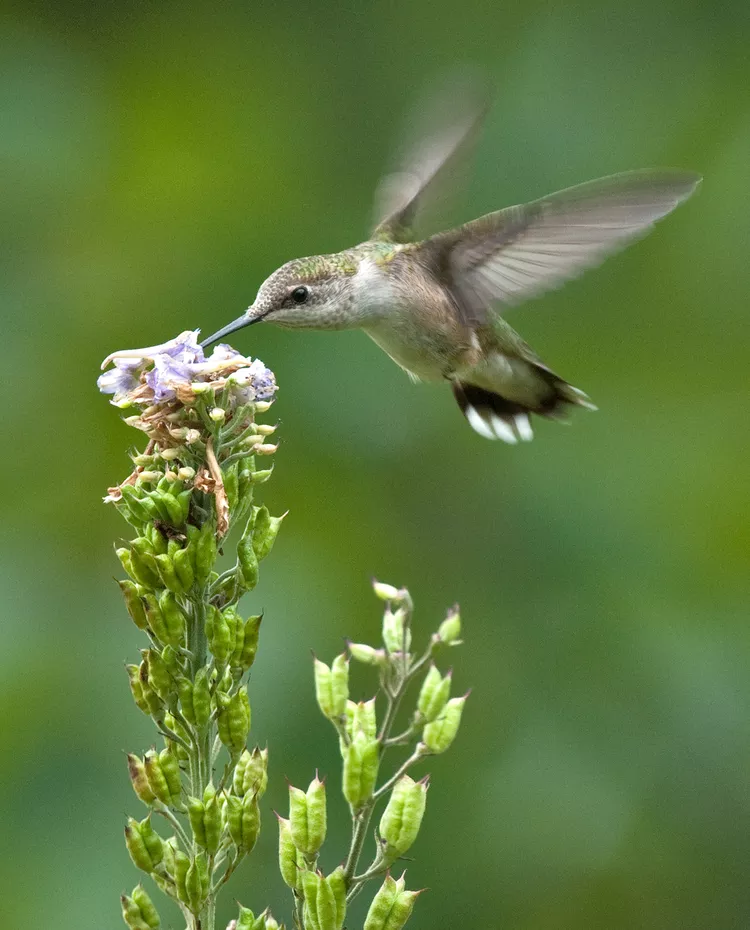
- Supports pollinators. Permaculture gardens are safe havens for pollinators.
12 Tips for Designing a Permaculture Garden
Permaculture is guided by 12 simple design principles, which are easy to incorporate into ornamental and vegetable gardens. While your garden doesn’t need to include all these components, adding as many permaculture elements as possible will help you build a regenerative garden that mimics natural ecosystems and works with nature rather than against it.
The 12 principles of permaculture and real-world examples of how to employ them in your garden space will help you create a biodiverse and resilient landscape. Incorporate a few of these tips into your garden every year, and you’ll make a functioning permaculture garden that’s eco-friendly and ideally suited to your gardening needs.
1. Observe and interact.
The first principle of permaculture is also the easiest to implement: use a garden journal. Garden journals can help you keep track of how your permaculture garden changes throughout the year, and they’re also a great place to jot down notes on which plants grow well in your garden, what pests emerge, and how the sun moves across your landscape. Knowing these details helps you be more strategic with your planting design and the plants you choose to grow.
2. Catch and store energy.
Permaculture emphasizes using what you already have in your landscape, so don’t be shy when it comes to using your natural resources. Composting yard debris or mulching autumn leaves and turning them into a weed-suppressing mulch are two easy ways to capture the resources in your garden so they can work for you.
3. Obtain a yield.
Permaculture gardens should offer benefits to both you and the larger ecosystem. So, before you start planting anything, pinpoint what you want to get out of your garden. You can grow a permaculture garden for vegetables, fruit, or flowers, or you can keep a garden for pollinators or simply for enjoyment—it’s up to you.
4. Use self-regulation and feedback.
Gardens don’t exist in a vacuum. The choices you make in a single garden bed can affect your garden as a whole and may also affect the environment around you. Choosing organic gardening methods, for instance, limits harm to pollinators and reduces potential fertilizer and pesticide runoff. Opting for organic pest control options, such as floating row covers, crop rotation, and companion planting, are all excellent ways to reduce your impact and make your garden more sustainable.
5. Use more renewable resources.
Using renewable resources is essential to being an eco-conscious consumer, but it’s also critical in permaculture gardens. Incorporating renewal resources in your gardening practices is easier than you might think. Composting autumn leaves or using rainwater to water your plants are two great ways to use renewable resources. If you want to take it one step further, consider attaching a drip line system to a gravity rain barrel so you won’t need to rely on your garden hose as much.
6. Produce no waste.
Garden waste can be a hassle, but it can be easily repurposed with composting. Both hot and cold composting methods can transform leaves, weeds, and fallen branches into a nutrient-rich soil additive that will feed your plants and improve the structure of the garden soil. If you make compost at home, you can save a lot of money.
7. Design from patterns to details.
When building a permaculture garden, consider how you like to use your space. Are there specific paths you like to walk or areas where you like to sit? Working these elements into your garden design personalizes your garden experience. If you install garden walkways, you can limit soil compaction, a key component of weed-less gardening.
8. Integrate, don’t segregate.
The natural world is diverse, with plants of different species and heights growing together in wildflower fields and toward the margins of woodlands. You can use nature as inspiration by growing plants of different heights, textures, and colors together. You can further refine your permaculture design by combining different gardening techniques, such as inground gardens, raised beds, and container gardens.
9. Use small and slow solutions.
Rome wasn’t built in a day, and neither was your garden! Finding the right plants for your permaculture garden takes trial and error, and building rich and healthy soil takes time, too. If you want to improve your soil over time, opt for no-till gardening methods or experiment with lasagna gardening and hugelkultur.
10. Use and value diversity.
Including an assortment of different flowers, herbs, and vegetables in your landscape helps you determine which plants grow best in your garden. Beyond that, including native plants and flowering companion plants in your vegetable beds will attract pollinators and beneficial insects that can increase pollination rates, control garden pests naturally, and increase harvest yields.
11. Use edges and value the marginal.
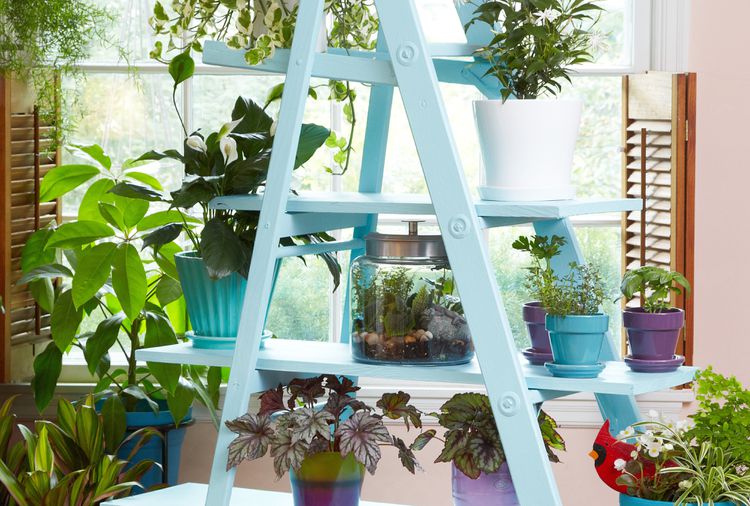
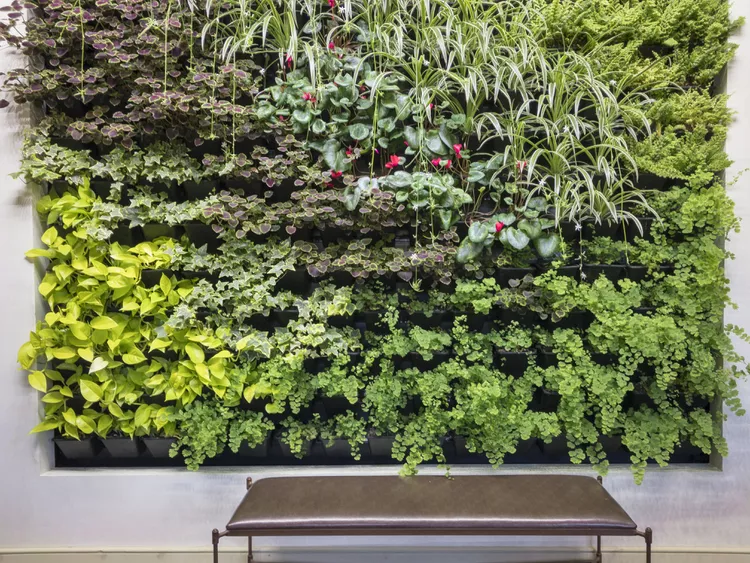
There’s no wasted space in a permaculture garden, so get creative if you have an underutilized corner of your backyard or an empty spot on your patio. You can always squeeze a compost bin or a small beehive in an out-of-the-way place to get more use out of your garden. Installing trellising can also make a more complex garden landscape, and by growing vertically, you can fit more plants into your permaculture garden.
12. Creatively use and respond to change.
Nature constantly changes, and a well-functioning permaculture garden needs to adapt to those changes. If you notice that certain plants don’t grow well in your soil, don’t be afraid to swap them out for plants better suited to your growing conditions. Permaculture gardening involves a lot of trial and error, but that gives you more opportunities to fine-tune your gardening style and designs.
Best Plants for Permaculture Gardens
If you’re primarily interested in growing ornamentals, native plants are generally the best choices for permaculture gardens because they are well-adapted to your local growing region and climate patterns. Native plants are also easier for pollinators to recognize and often require less supplemental fertilizer and water than non-native species.
However, if you’re more interested in growing edibles, experimenting with different crops will help you determine which plants grow best in your space. Don’t forget to keep track in your garden journal of the plants that grow well, so you’ll know what to plant next year.
Explore More Alternative Gardening Ideas
You can reduce or even eliminate the need for fertilizer by employing techniques used in electroculture gardening, a trending but not new method for harnessing electricity to stimulate the growth of plants in your yard. Gardening by the moon is a technique where gardeners follow the waxing and waning of the moon to plant and harvest their crops. Many gardeners are ditching traditional grass for wildflower planting or other alternatives that use few to no natural resources and still look beautiful. With a few changes, it's possible to have a garden you'll enjoy that's environmentally sound without spending a lot of money or time maintaining it.