Plant pests, such as snails, slugs, and tomato hornworms, can wreak havoc on ornamental and edible gardens. However, only 1% of insects damage plants; the vast majority are either harmless or considered beneficial insects that are helpful to plants. Encouraging these “good guy” bugs to take up residence in your yard can reduce reliance on chemical pesticides, boost harvest yields, and naturally keep pest populations in check.
What Are Beneficial Insects?
Beneficial insects are all the six-legged (sometimes eight-legged) creatures that naturally boost the health and growth of plants. They include pollinators that help plants set seeds, as well as predatory and parasitic insects that feed on pests that damage plants.
8 Beneficial Insects That Help Gardens
When you think about beneficial insects, you might think about bees, butterflies, and other pollinators. While pollinators do a lot to help gardens, they aren’t the only insect allies. Here are eight insects that are often overlooked as beneficial, but they do a lot to keep gardens and plants healthy.
1. Flies
Flies are usually dismissed as pests, but many types of flies are actually important pollinators for an assortment of edible crops, including strawberries and sweet peppers. Hoverflies and other fly species pollinate over 70% of food crops and wildflowers. In addition, robber flies, hoverflies, and tachinid flies also prey on cabbage loopers.
2. Parasitic Wasps
Some wasps have a reputation for being aggressive, but most wasps pollinate flowers and feed on plant pests. Parasitic wasps are especially beneficial insects because they live on garden pests like cabbage loopers and tomato hornworms, helping to protect crops from damage. Plus, parasitic wasps don’t sting or bite humans.
3. Ladybugs
Ladybugs may look cute, but they’re hardworking predatory insects that gobble up aphid infestations with ease. Incredibly, a single ladybug can eat up to 5,000 aphids in its lifetime—but ladybugs do more than that. Beyond aphids, ladybugs also hunt a variety of small plant pests, including mealybugs, hard-bodied scale, and leafhoppers.
4. Dragonflies
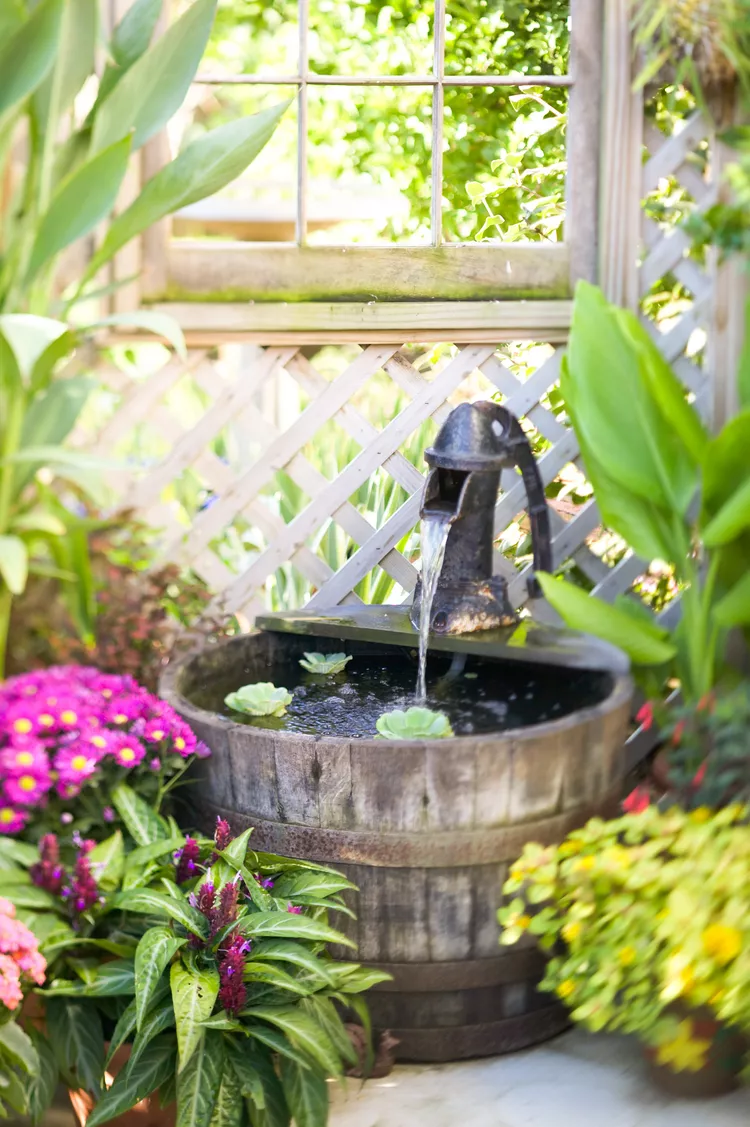
Red, blue, yellow, or brown, dragonflies are colorful critters that delight gardeners with their aerial antics. Dragonflies are also efficient predators, capturing more than 90% of the prey they fly after, including mosquitoes and midges. However, dragonflies need water to reproduce, so if you want to see these beneficials, install a small water feature.
5. Lacewings
With their lacy wings and slender bodies, lacewings look delicate, but they are impressive hunters that feed on an assortment of plant pests, including aphids and mites. Lacewings are also incidental pollinators that transfer pollen back and forth between flowers while hunting.
6. Spiders
Many spider species visit gardens, including garden spiders, crab spiders, and wolf spiders. These beneficial arachnids may sometimes catch pollinators, but they also capture a wide variety of garden pests with their webs and hunting prowess. Common garden spiders aren’t aggressive to humans, but they love feasting on pests like grasshoppers, houseflies, and leafhoppers.
7. Assassin Bugs
Assassin bugs are named for their slow and solitary hunting style. They’re often sighted on plants infested with pests. These insects closely resemble leaf-footed bugs, which also feed on plants. However, assassin bugs are rarely seen in groups, while leaf-footed bugs cluster on plants while feeding. If you’re struggling with roaches, aphids, or cabbage loopers, assassin bugs will help.
8. Predatory Beetles
Japanese beetles are infamous garden pests that target food crops and rose bushes. However, not all beetles are destructive, and some beetles are handy for keeping pests in line. Soldier beetles (shown here), ground beetles, and collops beetles are some of the most common predatory beetles that feed on an assortment of pests, including slugs, aphids, and leafhoppers.
Tips for Attracting Beneficial Insects
Some websites and garden centers sell beneficial insects for natural pest control. However, you can save your money and encourage helpful insects to stick around your garden with these tips.
Grow native plants.
Native plants are more attractive to pollinators and other beneficial insects than non-native plants. So, the more native plants you have, the more attractive your garden will be to beneficials. For best results, choose native plants that bloom at different times of the year and produce different-colored flowers and lots of nectar and pollen.
Experiment with companion planting.
Growing flowering plants in your fruit and vegetable beds naturally attracts beneficial insects and keeps your edible plants pest-free. While you can grow an assortment of companion plants, some of the best plants for attracting beneficial insects include dill, parsley, marigolds, nasturtiums, alliums, and yarrow.
Leave the leaves.
Pollinators and predatory insects overwinter in leaf litter and old plant debris, so if gardens are cleaned up too vigorously in fall, beneficials won’t have anywhere to hibernate or lay their eggs. To avoid this, wait until spring to do most of your garden cleanup, and only rake away plant debris from diseased or infested plants in the fall.
Use organic gardening methods.
While pesticides are frequently used to control destructive insects, these products don’t discriminate between the bugs they kill. Unfortunately, many pollinators and other beneficial bugs often fall victim to pesticide products, while pests remain unharmed thanks to their heightened pesticide resistance.
The overuse of pesticides makes gardens more vulnerable to pests because there aren’t as many beneficial insects around to keep them in check. Instead of using chemical solutions for garden pests, try barrier products like fruit protection bags and floating row covers. Experiment with companion planting and practice good garden maintenance. With a safe habitat to explore, beneficial insects will control pests more effectively in the long run.