Home gardeners always seek new and innovative ways to improve their gardens and increase their yields. This is particularly true now, when at-home fruit and vegetable gardening is becoming increasingly popular.
It may come as no surprise, then, that a new trend in home gardening is taking the internet by storm. It originated on TikTok (because where else, right?), and it has home gardeners ditching their pesticides and fertilizers in favor of this natural, organic gardening method. It’s called electroculture gardening, and it’s all about using atmospheric electricity to improve plant growth. Here’s everything you need to know about this magnetic new gardening trend.
What is electroculture gardening?
Electroculture gardening is the practice of harnessing the Earth’s natural atmospheric energy to promote plant growth, increase crop yields, and deter pests.
“The method is based on a long-standing observation that natural electric and magnetic forces in the environment play a central role in the growth and development of plants,” says Jennifer Schutter, Certified Master Gardener and editor of Plantcarefully. This method eliminates the need for pesticides and fertilizers, which makes it particularly popular among organic gardening enthusiasts.
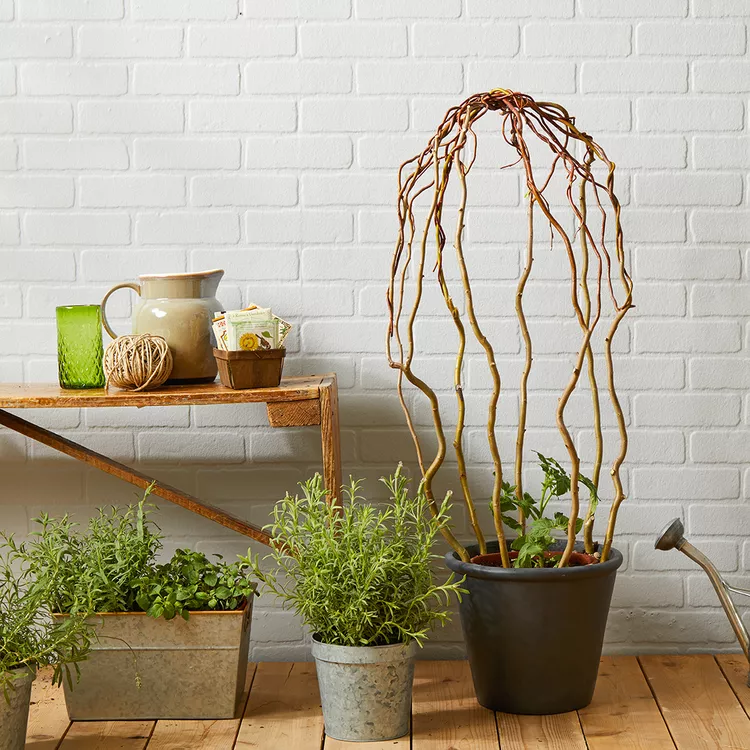
According to the website Electroculture.life, four common methods are used in electroculture gardening: spiral antenna, pyramid antenna, magnetic antenna, and a Lakhovsky coil. These tools are commonly created from copper but can also be made using wood, zinc, or brass. The atmospheric antennas are placed in the garden, with the bases buried several inches deep in the soil.
Electroculture vs. Electrostimulation
Electroculture gardening and the practice of growing plants using electrostimulation are two separate methods that are often confused. While the theory behind both methods is the same, the practical application differs.
Electroculture gardening uses copper coils and antennas to harness the Earth’s natural atmospheric energy, whereas electrostimulation uses electricity from a power source to boost plant growth. This is accomplished by electrifying the plant, soil, or water directly or by creating a magnetic field around the crop.
Electrostimulation is a newer method that is still being researched and tested and is generally not used in residential gardening (yet, anyway). Electroculture gardening, on the other hand, is an established method of organic gardening that has been around for at least a century.
A Revitalized Method of Organic Gardening
If electroculture gardening sounds futuristic and a bit off-the-cuff, you may be surprised to learn that this method of organic gardening goes back hundreds of years. That’s right, it’s not just another fleeting TikTok trend!
According to @cultivateelevate on TikTok, the earliest mentions of the theory date back as far as 1749. Then, in the early 20th century, French researcher Justin Christofleau developed the method heavily and even wrote a book about his research in 1927 titled Electroculture.
Despite Christofleau’s findings, electroculture gardening didn’t take off as Christofleau expected, and commercial growers turned to pesticides and fertilizers instead. However, over the past couple of years, this revitalized gardening practice has found new and unexpected popularity in the world of TikTok, where the trend has taken off.
The Rise of Home Gardening & Organic Alternatives
So why is electroculture gardening popular all of a sudden? The answer likely lies in the increasing trend of home gardening, homesteading, and the desire for produce grown without the use of harmful pesticides and fertilizers (never mind the rising costs of groceries). More and more people are turning to their own backyards to try their hand at growing fresh fruits and vegetables as a solution to these problems.
“Now that home gardening and self-sufficiency are having their moment along with much cheaper costs of setup, there's absolutely a growing interest in alternative gardening methods including permaculture and electroculture,” says Schutter. Electroculture gardening offers a simple, low-risk way to improve the yields of your crops—so why not give it a try?
Tips for Trying Electroculture Gardening at Home
It’s easy to try out electroculture gardening in your own fruit and vegetable gardens. Here are a few tips to help you make the most of this organic gardening method.
Create an Electroculture Antenna
It’s surprisingly easy to create a DIY electroculture antenna at home using only a few simple supplies from your local hardware store; tutorials and recommendations are online. Whether you choose to create a pyramid or a vertical antenna depends on the types of plants you grow and how much time you are willing to put into creating it.
Monitor the Results
“Keep a journal or use a digital tool to track the progress of your plants and compare the results of the electroculture-treated plants to untreated plants,” advises Schutter. “This is really the only way of determining whether it's having the effect you expect it to.”
Trial and Error Is Key
As with any new venture, you will likely experience some trial and error as you learn how to apply electroculture in your own garden. “For home gardeners, I'd encourage them to treat electroculture gardening as an opportunity to experiment and really measure for themselves whether it's making a difference,” says Schutter.
Don’t be afraid to switch up your methodology, such as the type of antenna you are working with, if you don’t feel it’s working after a few months. However, give each method enough time to succeed before switching things up. Plants take a little time to grow and develop, after all.
Combine with Other Good Gardening Practices
Electroculture should be treated as one tool in a larger gardening toolbox rather than the only tool in the shed. Don’t forget about all the other important things that go into maintaining fruit and vegetable plants. Make sure that your plants are getting enough water, prune them back as needed, and provide them with lots of natural fertilizers and nutrients, such as compost, to create a rich environment.