How to Fertilize Indoor Plants for the Lushest Growth

23K
1.1K
367
2025-10-21
How to Fertilize Indoor Plants for the Lushest Growth

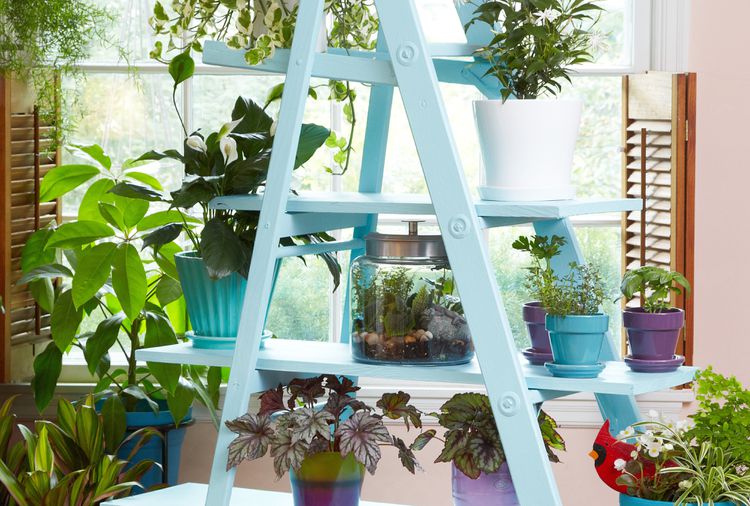
How to fertilize indoor plants properly is an often misunderstood but essential maintenance task, whether you're growing tropicals or succulents or orchids in your home. All plants require nutrients to grow, and houseplants are no exception. Over time and with regular watering, nutrients are either washed from the potting soil or used up, leaving your plants without the vital elements they need to thrive. Here's when and how to fertilize indoor plants so you can keep everything green and growing.

Types of Fertilizers for Indoor Plants

There are two primary types of fertilizers to consider: synthetic and organic. It is often said that synthetic fertilizers feed the plant while organic fertilizers feed the soil. 

Synthetic

Synthetic fertilizers are produced from ammonia, natural gas, and various mineral sources. These fertilizers are synthesized to exacting requirements and specific N-P-K ratios (that stands for nitrogen, phosphorus, and potassium) so that growers can target the exact needs of the plants. High-quality synthetic fertilizers usually contain trace amounts of micronutrients (the nutrients plants need in really tiny amounts) as well.

When using synthetic fertilizers, be careful that you don't end up over-fertilizing your plants (known as fertilizer burn), due to the high amounts of nutrients the synthetic fertilizers are formulated to provide. As with all fertilizers, always follow the mixing instructions on the product label.

Because synthetic fertilizers are produced using large amounts of chemicals and applied heavily on industrial farms, golf courses, and home gardens, they can (and do) create issues with runoff into waterways. Uncontrolled runoff can cause environmental harm, and care should be taken to avoid excess use.

Organic

Organic fertilizers are derived from natural ingredients that may or may not be organically sourced themselves. These fertilizers are commonly derived from agricultural or industrial byproducts, such as manure, bone meal, and blood meal, but others, including kelp and worm castings, are intentionally harvested.

Organic fertilizers are touted as a more sustainable option than synthetic types of fertilizer because they are easier on both the environment and the gardens or plants on which they are applied. Another benefit of organic fertilizers is that because of their biological sourcing, they are loaded with many macronutrients and micronutrients, better ensuring that when you feed your plants, they receive a broad range of the nutrients they need. 

While organic fertilizers are excellent sources of nutrients, they tend to come in lower strengths than inorganic fertilizers; because of that, they are less likely to burn plants.

Pet owners should note that due to the slight fragrance from organic fertilizers, dogs and cats often find them irresistible, leading to uprooted plants and broken pots.

Acidifying Fertilizers

A sub-type of fertilizer that is worth mentioning is soil-acidifying fertilizers. These are usually—but not always—synthetic fertilizers that contain the same kinds of macronutrients and micronutrients found in other fertilizers. However, they also contain soil-acidifying ingredients to promote proper growth in plants that require acidic soils. Unless your plants specifically require acidic soils, it is best to avoid using these products.

When to Fertilize Indoor Plants

Knowing when to fertilize the plants is as important as choosing the type of fertilizer. Many plants grow in cycles in their natural environments. Under certain conditions, such as dry periods or cold weather, they slow their growth until conditions become favorable again. While conditions in the home do not typically fluctuate as much as they might outdoors, our homes and personal schedules act on indoor plants, creating less-than-ideal growing conditions.

When plants are under stress, or going through dormancy, they grow slower and require fewer nutrients. Fertilizing dormant plants can be detrimental to their health by inundating them with nutrients they are unable to use. This over-fertilizing can lead plants to become sickly or die—especially when they are young or already weak.

To play it safe, only fertilize plants when they are actively growing or flowering. Actively growing plants produce lots of new leaves, stems, flowers, and roots, which all need certain nutrients to develop properly.

Tips for Fertilizing Houseplants

Fertilizers come in many forms, including liquid, granular, and water-soluble, and each has a specific use. In addition to fertilizers meant to be absorbed by plants relatively quickly, many release nutrients into the potting soil over one to six months. These slow-release fertilizers are great long-term feeders, but they require moisture to work effectively. 

Between feedings, it is important to water plants thoroughly to avoid a buildup of minerals in and around the roots. Ensure all the plant containers have holes in the bottom to allow excess water to drain out.

Regardless of the type of fertilizer you choose, follow the instructions listed on the label and dispose of any excess, outdated, or otherwise unused fertilizers properly. 

Fertilizing plants is as much an art as it is a science and essential to good, healthy growth of potted plants. Once you get the hang of it, the process becomes second nature.

Frequently Asked Questions

  • How often should indoor plants be fertilized?

    During periods of active growth, fertilizing your plants with a liquid fertilizer every three to four weeks should be more than enough to keep your plants healthy. Always follow the directions on your fertilizer package for proper application rates.

  • Should you fertilize houseplants during winter?

    Because most houseplants are tropical and tend to grow on and off throughout the year in a warm, well-lit home, you can fertilize your plants throughout the winter while they are actively growing.

Related Article

14 Best Low-Maintenance Outdoor Plants for Containers in Sun or Shade
43.2K
1.7K
172

14 Best Low-Maintenance Outdoor Plants for Containers in Sun or Shade

Choosing the right pot size and selecting low-maintenance outdoor plants to suit your space goes a long way toward achieving an easy-care container garden. These tips and ideas will help you choose beautiful, easy-care container plants.
Top Butterfly Container Garden Ideas
30.3K
3K
605

Top Butterfly Container Garden Ideas

Bring butterflies to your garden—even if you have just a deck or patio—with these easy container recipes.
14 Holiday Planter Ideas That Will Give Guests a Warm Welcome
3.9K
313
156

14 Holiday Planter Ideas That Will Give Guests a Warm Welcome

Use outdoor arrangements to set a festive mood this holiday season. Copy these holiday planter ideas, or use them as inspiration for your custom look.
Best Plants for Mississippi Landscapes
34.2K
1.4K
437

Best Plants for Mississippi Landscapes

These award-winning plants are proven successes in landscapes throughout Mississippi and the South.
What to Know About Hugekultur Gardens and How to Create Your Own
36.9K
3.3K
1.6K

What to Know About Hugekultur Gardens and How to Create Your Own

Find out what hugelkultur is and the benefits this low-maintenance gardening technique provides with step-by-step instructions to create your own.
Your Seasonal Lawn-Care Schedule for the Northeast
32.8K
3.3K
1.5K

Your Seasonal Lawn-Care Schedule for the Northeast

Take the guesswork out of yard work. This lawn-care calendar lets you know when to mow, aerate, fertilize, and seed your yard in the Northeast.
Lawn-Care Calendar for Southern California
42.6K
2.1K
788

Lawn-Care Calendar for Southern California

For a Southern California lawn care schedule, follow our easy seasonal guide.
How to Attract Hummingbirds So They'll Visit Your Garden
46.9K
2.8K
1.3K

How to Attract Hummingbirds So They'll Visit Your Garden

Here's how to attract hummingbirds to your garden so these adorable, fascinating birds become frequent visitors and add their charm to your landscape.
This Bulb Planting Guide Will Help Fill Your Yard with Spring Flowers
13.1K
915
201

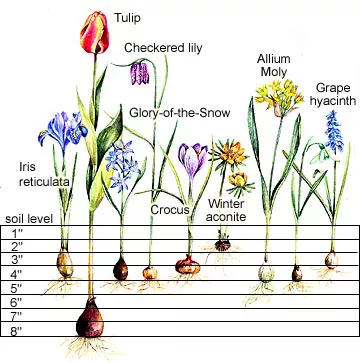
This Bulb Planting Guide Will Help Fill Your Yard with Spring Flowers

Find out the best time and how deep to plant each type of spring bulb.
How to Plant and Grow Climbing Roses
9K
269
94

How to Plant and Grow Climbing Roses

Get cottage garden style when you learn to grow climbing roses. They add abundant flowers when grown on pillars, fences, arbors, and gazebos.
Why Are My Dahlias Not Blooming? These 5 Mistakes May Be to Blame
5K
453
194

Why Are My Dahlias Not Blooming? These 5 Mistakes May Be to Blame

Dahlias can add a rainbow of hues to your flower garden, but If you're not sure whether your dahlias look healthy, check out the five most common mistakes when growing dahlias. Find out what you can do to ensure they produce a full show of blooms.
How to Grow a Venus Flytrap as a Houseplant
38.3K
2.3K
551

How to Grow a Venus Flytrap as a Houseplant

To grow a Venus flytrap, you need to give this carnivorous plant special care. Use these tips to keep your Venus flytrap thriving indoors as a houseplant.
How to Fertilize Indoor Plants for the Lushest Growth
23K
1.1K
367

How to Fertilize Indoor Plants for the Lushest Growth

Fine out when and how to fertilize indoor plants, plus the best types of fertilizer to use.
10 Best Carrot Companion Plants to Grow for a Bigger Harvest
5.4K
379
49

10 Best Carrot Companion Plants to Grow for a Bigger Harvest

Carrots get along with most other vegetable plants, but these top carrot companion plants will give you some added benefits.
How to Plant and Grow a Citronella Plant
18.8K
1.5K
285

How to Plant and Grow a Citronella Plant

Citronella plant is a scented geranium that is grown as an annual or perennial or as a houseplant.
Grow the Most Productive Beefsteak Tomato Plants with These 9 Tips
30.7K
2.2K
279

Grow the Most Productive Beefsteak Tomato Plants with These 9 Tips

Beefsteak tomato plants, also called slicers, are easy to grow in vegetable gardens or containers with these simple tips for success.
4 Best Types of Lettuce to Grow in Your Garden
8.8K
795
159

4 Best Types of Lettuce to Grow in Your Garden

Grow these types of lettuce to ensure a steady supply of crisp greens for your salads. Choose from loose-leaf, head, mini head, and best lettuces for containers.
18 Stunning Blue Flowers You’ll Love Having in Your Garden
2K
81
13

18 Stunning Blue Flowers You’ll Love Having in Your Garden

Plants with blue flowers add a calm, cooling splash of color to your landscape. We’ve rounded up blue perennials, annuals, shrubs, vines, and bulbs.
How to Attract Bluebirds to Your Yard: 11 Must-Know Tips
13.4K
1.1K
203

How to Attract Bluebirds to Your Yard: 11 Must-Know Tips

These tips on how to attract bluebirds will help you create a welcoming habitat. Discover the best types of foods, birdhouses, water sources, and more for attracting bluebirds.
The Living Wall Is the Natural Next Step for Decorating with Plants
39.3K
2.7K
467

The Living Wall Is the Natural Next Step for Decorating with Plants

Bring nature indoors in a large-scale way with this green trend. Living walls are walls covered in plants, and there are several different ways to try one in your space.