How to Grow and Care for a Money Tree Indoors

46.3K
2.8K
749
2025-10-24
How to Grow and Care for a Money Tree Indoors

Sporting distinctive leaves and sometimes a braided trunk, money trees are popular houseplants that are said to bring good fortune. Money trees sold as houseplants are one of two species: Pachira aquatica or Pachira glabra. Both of these plants look similar when grown indoors in pots (their differences are more obvious when they flower and fruit in their native habitats in Central and South America). This guide will help you to grow and care for a money tree as a houseplant, and maybe you'll enjoy a little financial luck of your own.

Money Tree Overview

Genus Name Pachira
Common Name Money Tree
Additional Common Names Money Plant, Water Chestnut
Plant Type Houseplant, Tree
Light Part Sun
Height 6 to 8 feet
Width 2 to 3 feet
Foliage Color Blue/Green
Zones 10, 11

Money Tree Care Tips

Money trees adapt well to a range of indoor conditions. Keep them looking their best with these guidelines.

Light

Grow a money tree in medium to bright indirect light.

Soil and Water

Use a general purpose potting mix that drains well. Water your indoor money tree every 1–2 weeks, allowing the potting mix to dry out a little between waterings to avoid overwatering and root rot.

Temperature and Humidity

Indoor temperature should not dip below 65°F. Money trees can tolerate typical indoor humidity levels but also benefit from increased humidity. To increase humidity levels around your plant, use a humidifier, set up a pebble tray, and/or group plants with similar care requirements together.

Pruning

Money trees don't need frequent pruning. The only pruning your plant may require is removing dead or dying stems and leaves.

Potting and Repotting

Money tree houseplants are easy to repot following these steps:

  1. Remove the plant from its current pot by turning your plant sideways, and tapping the bottom of the pot until the plant's root ball loosens enough to slide the entire thing out. You might need to give it a bit of help with a couple of gentle tugs on the base of the stems.
  2. Loosen the plant’s roots gently with your fingers. Prune off any threadlike roots that are extra-long, but leave the thicker roots at the base of the foliage. If your plant is root bound (the roots are growing in very tight circles around the base of the plant) untangle the roots as best you can and give them a trim.
  3. Remove at least one-third or more of the old potting mix surrounding the plant's roots. As it grew, your plant removed some or all of the nutrients in the current mix, so you'll want to give it fresh potting mix.
  4. Pour a layer of fresh potting soil into the new planter and lightly press it down.
  5. Set your plant on top of the fresh mix in the planter, making sure it's centered.
  6. Add more potting mix around the plant's roots until your money tree sits securely in its new pot.
  7. Water well, allowing the excess to drain out the bottom of the pot.

A freshly repotted money tree does not need additional fertilizer if the potting mix already includes some. Otherwise, provide liquid fertilizer once a month when you water.

Pests and Problems

If you see money tree leaves turning yellow, it's often a sign of overwatering. Curling leaves is a sign of underwatering. Leaves falling off often indicates your plant isn't getting enough light.

Many common houseplant pests such as scale, spider mites, and mealybugs will attack money trees. A strong spray of water can help reduce populations, but for severe infestations, use neem oil or insecticidal soap to get rid of the pests.

How to Propagate Money Trees

Money trees are best propagated by cuttings rooted in soil by following these basic steps:

  1. With clean pruners, cut off a healthy section of stem that has multiple nodes towards the bottom of the cutting. These nodes are where new roots will begin.
  2. Dip the bottom of the cutting in rooting hormone
  3. Stick the stem into fresh pre-moistened potting mix.
  4. Firm the mix down around the base of the stem to secure the cutting in place.
  5. Water well, allowing the excess to drain
  6. Set your potted money tree cutting in a warm spot, with indirect light, and water when dry.

Frequently Asked Questions

  • Can you grow money trees outdoors?

    Money trees are native to warm climates in Central and South America so if you want to grow one outdoors, make sure the year-round temperatures—especially at night mid-winter—stays warm. USDA Hardiness Zones 10 and 11 are usually warm enough. In colder regions, move potted money trees outdoors in summer and back inside during the winter.

  • Where did money trees get their name?

    According to lore, a poor farmer had such great luck selling Pachira plants that he nicknamed them his good fortune or good luck money tree. This common name has stuck with the plant.

  • Why are money tree stems braided?

    In their native habitat, the trunks of money trees are not naturally braided. This is something that’s become the norm for these plants when sold as houseplants. Some suggest it’s meant to “lock in” the good fortune of the plant.

Related Article

14 Best Low-Maintenance Outdoor Plants for Containers in Sun or Shade
43.2K
1.7K
172

14 Best Low-Maintenance Outdoor Plants for Containers in Sun or Shade

Choosing the right pot size and selecting low-maintenance outdoor plants to suit your space goes a long way toward achieving an easy-care container garden. These tips and ideas will help you choose beautiful, easy-care container plants.
Top Butterfly Container Garden Ideas
30.3K
3K
605

Top Butterfly Container Garden Ideas

Bring butterflies to your garden—even if you have just a deck or patio—with these easy container recipes.
14 Holiday Planter Ideas That Will Give Guests a Warm Welcome
3.9K
313
156

14 Holiday Planter Ideas That Will Give Guests a Warm Welcome

Use outdoor arrangements to set a festive mood this holiday season. Copy these holiday planter ideas, or use them as inspiration for your custom look.
Best Plants for Mississippi Landscapes
34.2K
1.4K
437

Best Plants for Mississippi Landscapes

These award-winning plants are proven successes in landscapes throughout Mississippi and the South.
What to Know About Hugekultur Gardens and How to Create Your Own
36.9K
3.3K
1.6K

What to Know About Hugekultur Gardens and How to Create Your Own

Find out what hugelkultur is and the benefits this low-maintenance gardening technique provides with step-by-step instructions to create your own.
Your Seasonal Lawn-Care Schedule for the Northeast
32.8K
3.3K
1.5K

Your Seasonal Lawn-Care Schedule for the Northeast

Take the guesswork out of yard work. This lawn-care calendar lets you know when to mow, aerate, fertilize, and seed your yard in the Northeast.
Lawn-Care Calendar for Southern California
42.6K
2.1K
788

Lawn-Care Calendar for Southern California

For a Southern California lawn care schedule, follow our easy seasonal guide.
How to Attract Hummingbirds So They'll Visit Your Garden
46.9K
2.8K
1.3K

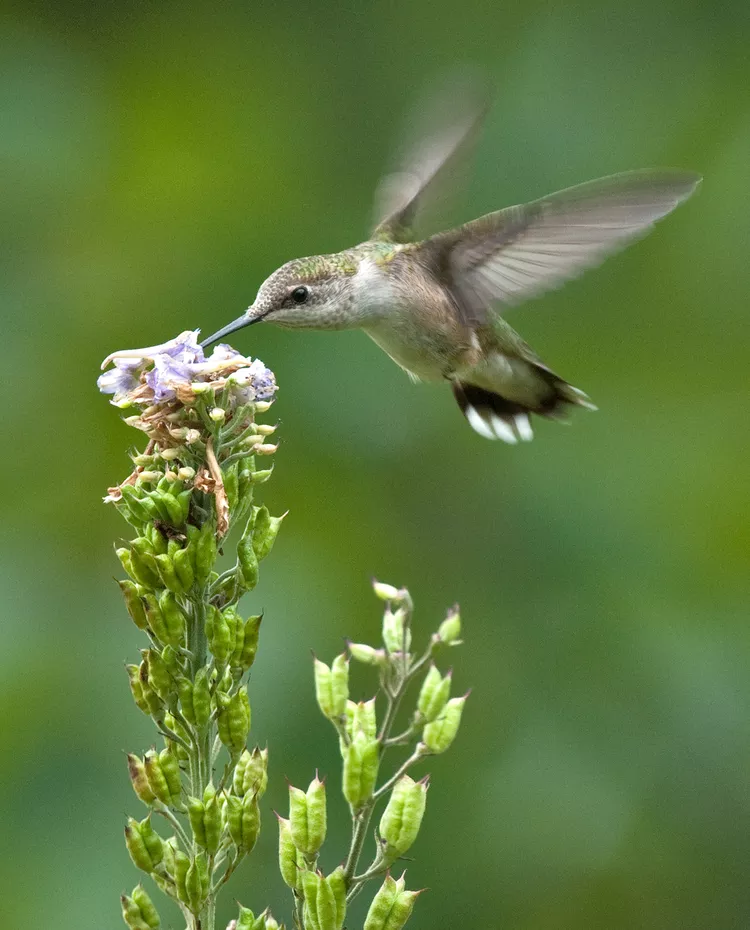
How to Attract Hummingbirds So They'll Visit Your Garden

Here's how to attract hummingbirds to your garden so these adorable, fascinating birds become frequent visitors and add their charm to your landscape.
This Bulb Planting Guide Will Help Fill Your Yard with Spring Flowers
13.1K
915
201

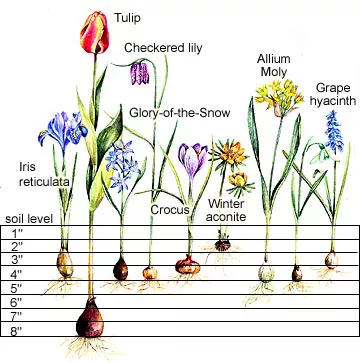
This Bulb Planting Guide Will Help Fill Your Yard with Spring Flowers

Find out the best time and how deep to plant each type of spring bulb.
How to Plant and Grow Climbing Roses
9K
269
94

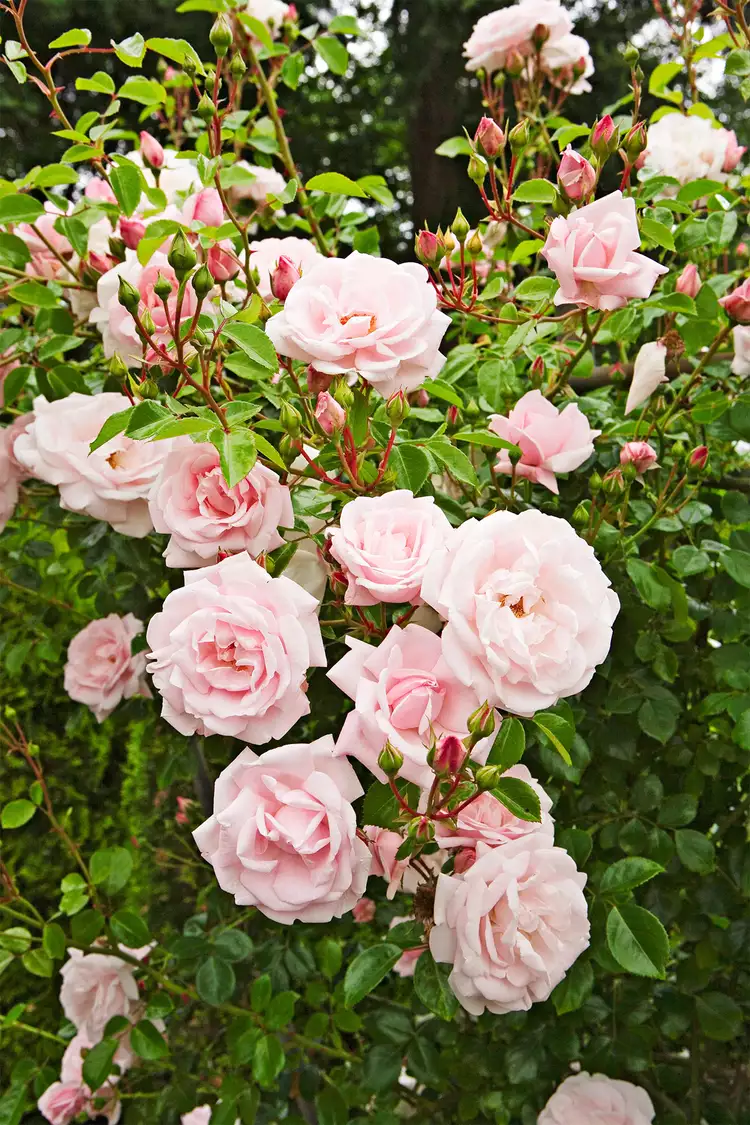
How to Plant and Grow Climbing Roses

Get cottage garden style when you learn to grow climbing roses. They add abundant flowers when grown on pillars, fences, arbors, and gazebos.
Why Are My Dahlias Not Blooming? These 5 Mistakes May Be to Blame
5K
453
194

Why Are My Dahlias Not Blooming? These 5 Mistakes May Be to Blame

Dahlias can add a rainbow of hues to your flower garden, but If you're not sure whether your dahlias look healthy, check out the five most common mistakes when growing dahlias. Find out what you can do to ensure they produce a full show of blooms.
How to Grow a Venus Flytrap as a Houseplant
38.3K
2.3K
551

How to Grow a Venus Flytrap as a Houseplant

To grow a Venus flytrap, you need to give this carnivorous plant special care. Use these tips to keep your Venus flytrap thriving indoors as a houseplant.
How to Fertilize Indoor Plants for the Lushest Growth
23K
1.1K
367

How to Fertilize Indoor Plants for the Lushest Growth

Fine out when and how to fertilize indoor plants, plus the best types of fertilizer to use.
10 Best Carrot Companion Plants to Grow for a Bigger Harvest
5.4K
379
49

10 Best Carrot Companion Plants to Grow for a Bigger Harvest

Carrots get along with most other vegetable plants, but these top carrot companion plants will give you some added benefits.
How to Plant and Grow a Citronella Plant
18.8K
1.5K
285

How to Plant and Grow a Citronella Plant

Citronella plant is a scented geranium that is grown as an annual or perennial or as a houseplant.
Grow the Most Productive Beefsteak Tomato Plants with These 9 Tips
30.7K
2.2K
279

Grow the Most Productive Beefsteak Tomato Plants with These 9 Tips

Beefsteak tomato plants, also called slicers, are easy to grow in vegetable gardens or containers with these simple tips for success.
4 Best Types of Lettuce to Grow in Your Garden
8.8K
795
159

4 Best Types of Lettuce to Grow in Your Garden

Grow these types of lettuce to ensure a steady supply of crisp greens for your salads. Choose from loose-leaf, head, mini head, and best lettuces for containers.
18 Stunning Blue Flowers You’ll Love Having in Your Garden
2K
81
13

18 Stunning Blue Flowers You’ll Love Having in Your Garden

Plants with blue flowers add a calm, cooling splash of color to your landscape. We’ve rounded up blue perennials, annuals, shrubs, vines, and bulbs.
How to Attract Bluebirds to Your Yard: 11 Must-Know Tips
13.4K
1.1K
203

How to Attract Bluebirds to Your Yard: 11 Must-Know Tips

These tips on how to attract bluebirds will help you create a welcoming habitat. Discover the best types of foods, birdhouses, water sources, and more for attracting bluebirds.
The Living Wall Is the Natural Next Step for Decorating with Plants
39.3K
2.7K
467

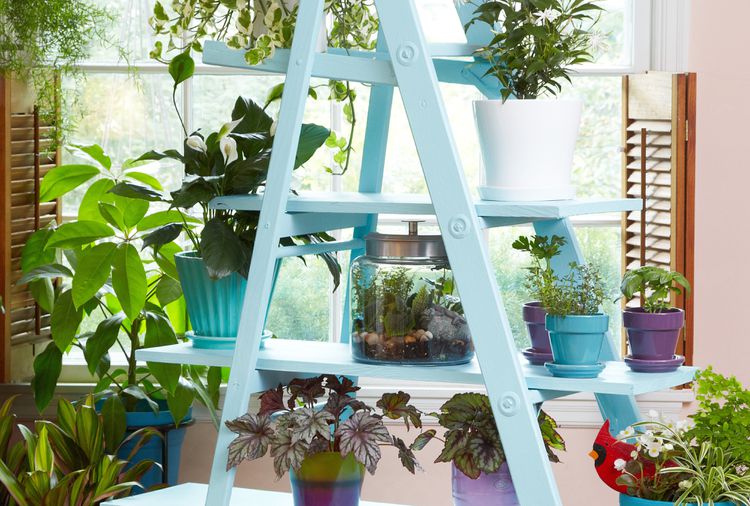
The Living Wall Is the Natural Next Step for Decorating with Plants

Bring nature indoors in a large-scale way with this green trend. Living walls are walls covered in plants, and there are several different ways to try one in your space.