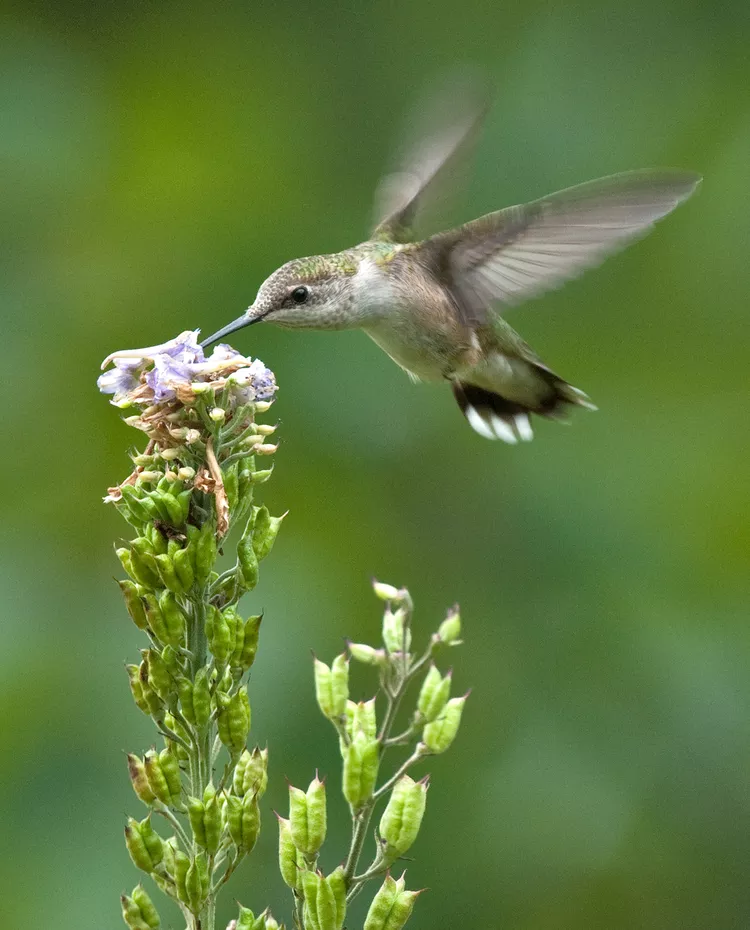
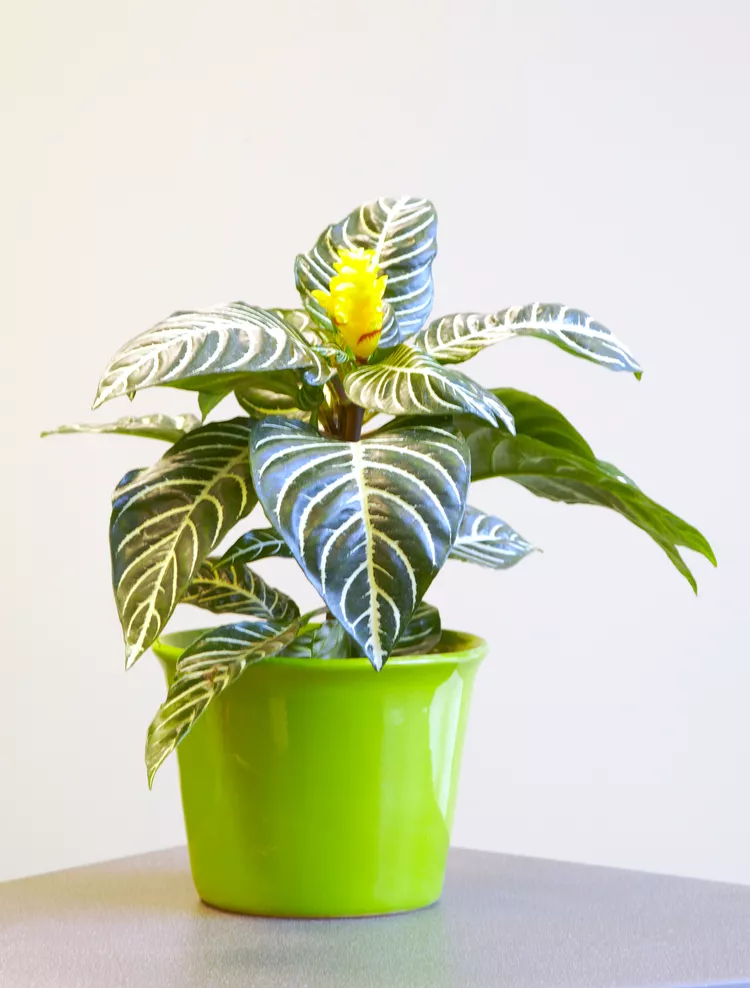
Take one look at the bold white stripes on a zebra plant (Aphelandra squarrosa) and you’ll know how it got its name. Zebra plants (not to be confused with zebra haworthia) are known for their striking striped leaves, but these beautiful plants are sure to attract attention with their lush tropical look. When in bloom, these South American natives produce beautiful yellow flower spikes that last for weeks. Zebra plants are typically grown as houseplants, but in warmer regions, they’ll grow outdoors where their flowers attract hummingbirds and butterflies.
Zebra Plant Overview
| Genus Name | Aphelandra squarrosa |
| Common Name | Zebra Plant |
| Plant Type | Houseplant, Perennial |
| Light | Part Sun |
| Height | null to 2 Feet |
| Width | null to 1 Foot |
| Flower Color | Yellow |
| Foliage Color | Blue/Green |
| Zones | 10, 11 |
| Propagation | Leaf Cuttings, Stem Cuttings |
Where to Grow Zebra Plants
In warmer parts of the country, such as Florida and Southern California, zebra plants can be planted outdoors in gardens or containers, but in most of the U.S., they should be kept indoors. As tropical plants, they do especially well in sunrooms (out of direct sun), bathrooms, and kitchens, where humidity tends to remain somewhat higher than in the rest of the house. Keep them in a location away from drafts and fans and in a bright location with indirect light.
Care Tips for Zebra Plants
Although they can be somewhat finicky to grow, zebra plants can thrive in most homes with a little basic attention to their needs.
Light
Bright, indirect light is required for these plants to thrive and bloom. East-facing and north-facing windows are usually best if the light is unobstructed by plants, buildings, and other structures. South-facing windows work well if plants are kept out of the direct sun.
Plants kept in too little light become leggy and stretched out, while plants kept in too much light bleach out or even burn. Once you find the right location for your zebra plant, try to move it as little as possible.
Soil and Water
Zebra plants prefer organically rich, well-draining soil that retains moisture without becoming waterlogged. Keep the plant in a plastic pot with holes in the bottom for proper drainage, and place it inside a decorative pot without drainage. Remove your potted zebra plant from the decorative pot when it’s time to water. Add water until it drains out the bottom, and then place it back inside the decorative pot when it stops dripping.
Temperature and Humidity
Zebra plant needs warm temperatures for proper growth. Fortunately, their preferred temperatures (mid-60°F to mid-70°F) are about the temperature range of most American homes. High humidity is not necessary but can be beneficial for the best growth. Kitchens and bathrooms tend to have higher humidity levels than other areas around the house, which can improve plant health.
Fertilizer
Fertilizer is necessary for most potted plants due to the leaching of nutrients from soils, and zebra plants are no exception. Feed your plants with a general-purpose, water-soluble fertilizer once a month while the plants are actively growing and blooming.
Pruning
Pruning zebra plants is generally not necessary, but spent flowers can be cut off to help plants redirect nutrients and energy into new growth. Allow leaves to naturally fall off the plant rather than cut them off. Plants naturally re-absorb and divert nutrients from older leaves prior to dropping them, and removing them prior to this can sap nutrients from the plant and hinder further growth.
Potting and Repotting
As houseplants, zebra plants can be repotted at any time of year. Plants should be moved into the next-size-larger pot when roots begin to push against the pot or come out the bottom of the pot. For example, a plant in a 4-inch pot should be transplanted into a 6-inch pot.
Pests and Problems
Zebra plants are susceptible to a variety of pests such as mealybugs, scale, and aphids. If your plants become infected, treat them with an organic pesticide such as neem oil or insecticidal soap. Scale insects may require manual removal by using either your fingernail or a cotton swab soaked in rubbing alcohol to separate them from the leaves.
Because of their need for constant moisture, zebra plants are often overwatered and develop root rot. If root rot happens, take stem cuttings and propagate them to create new plants. Discard the infected root ball and thoroughly clean the pot before reusing it.
How to Propagate Zebra Plant
Zebra plants are relatively easy to propagate by cuttings following these steps:
- Cut stems into 3-6 inch portions and remove all but one leaf per cutting. Mark the bottom of each stem with a marker to avoid confusion.
- Apply a powdered rooting hormone to the bottom inch of each cutting.
- Fill small pots with a mixture of moist 50% peat moss and 50% perlite.
- Make holes with your finger in the soil, deep enough to place about half of each stem section into the pot.
- Place planted cuttings in a bright location with high humidity. Spray and water regularly to maintain moisture. Use a warming mat under the cuttings to speed up the process and reduce the risk of rot.
Companion Plants for Zebra Plant
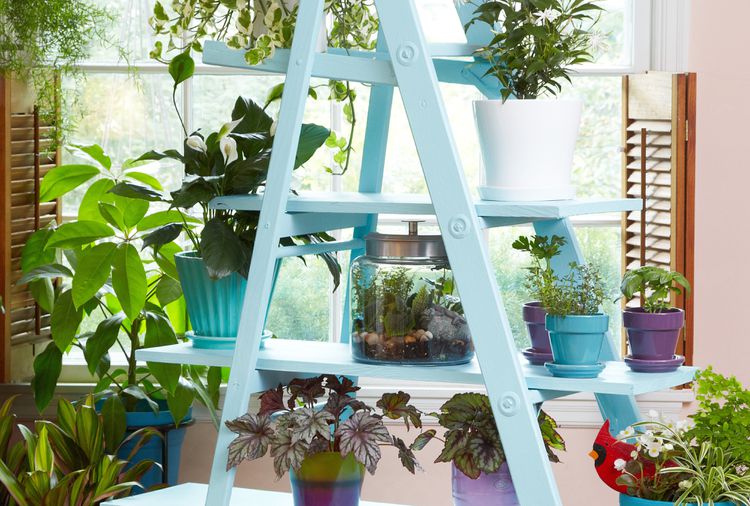
Zebra plants grow well when planted with other tropical houseplants, but care should be taken to choose companion plants that prefer the same level of moisture and will not overpower them. Good companion plants are pothos (Pothos spp.), peace lily (Spathiphyllum spp.), and Korean rock fern (Polystichum tsus-simense)
Pothos
Pothos is one of the easiest houseplants to grow, and most varieties tolerate very low light. Pothos is a tough but pretty vining plant that grows in most conditions with little water or dry soil. Like zebra plants, pothos thrives in high humidity and temperatures between 65°F and 75°F
Peace Lily
Caring for a peace lily is so simple, it is often recommended for first-time houseplant owners. Like the zebra plant, the peace lily is native to South America and prefers warm, humid climates. Even in low light, this adaptable plant bears lush green foliage and (occasionally) white flower spathes on tall, graceful stems. Peace lilies prefer bright, indirect light and tend to grow 1 to 3 feet tall indoors but can stretch to 6 feet tall when grown outdoors in year-round tropical climates.
Korean Rock Fern
Korean rock ferns (Polystichum tsus-simense) are easy-care ferns that can be grown both indoors or outdoors in warm climates (Zones 7-10). Native to eastern Asia, these adorable ferns prefer bright, indirect light and warm, humid climates. The small, tufted fern has a low-growing, tidy habit and is a popular choice for terrariums and tropical houseplant collections.