How to Plant and Grow Rose of Jericho

15.3K
1.5K
628
2025-10-19
How to Plant and Grow Rose of Jericho

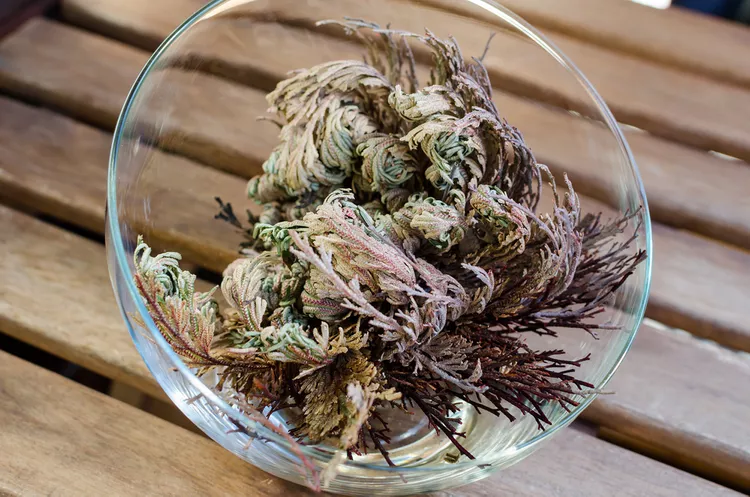
Rose of Jericho, nicknamed the resurrection plant, is a desert native that can survive for years without a single drop of water. Native to the Chihuahuan Desert in the United States and Mexico, it looks like a dried-out tumbleweed when dormant. However, once the plant is exposed to moisture, its dry, brown stems unfurl into lush, emerald-green fern-like fronds. If you’re looking for a no-nonsense plant or a unique addition to your indoor garden, rose of Jericho is a fantastic choice.

Rose of Jericho Overview

Genus Name Selaginella lepidophylla
Common Name Rose of Jericho
Additional Common Names False rose of Jericho, Resurrection plant, Resurrection moss, Dinosaur plant, Stone flower, Survival plant
Plant Type Houseplant
Light Part Sun
Height 6 to 12 inches
Width 3 to 6 inches
Foliage Color Blue/Green
Zones 10, 8, 9
Propagation Stem Cuttings
Problem Solvers Drought Tolerant

All care tips in this guide apply to the "false" rose of Jericho (Selaginella lepidophylla); however, it’s important to know that there is another plant sometimes called the "true" rose of Jericho (Anastatica hierochuntica). Both of these plants dry out into tumbleweed-like balls to survive drought, but "true" rose of Jericho is trickier to keep and needs to be potted in soil to rehydrate properly. When shopping for rose of Jericho, double-check the plant label to confirm you’re getting the right one.

Where to Plant Rose of Jericho

Rose of Jericho is primarily grown as a houseplant, although it can be kept outdoors in dappled light during summer. However, the desert native isn't cold-hardy and should be brought inside before temperatures drop below 65°F.

Indoor plants grow well on sunny windowsills and can be kept under a grow light if your home doesn’t receive much sun. While rose of Jericho plants can grow in a pot filled with moist soil, the easier and more popular choice is to grow them in low containers filled with gravel or pebbles and water. Terra-cotta saucers or upcycled bowls are popular planter options, and low ikebana vases offer a minimalistic, elegant look. Avoid using deep dishes to hold rose of Jericho, as proper airflow is essential for reducing mildew growth.

How and When to Plant Rose of Jericho

Rose of Jericho plants are typically sold in their dry form. Rehydrating these plants for the first time is always an exciting experience. You can "wake up" your rose of Jericho at any time of the year by misting it thoroughly or placing the plant on top of a low saucer filled with pebbles and water. Once exposed to water, a rose of Jericho will unfurl its fronds within 3 to 4 hours and turn progressively more green over several days.

Although resurrection plants require minimal maintenance, they can develop mold if they aren’t allowed to dry out occasionally. To avoid this, remove the plant from its moist environment one day every week, and completely dry out the plant once every month.

Rose of Jericho Care Tips

Rose of Jericho is relatively low-maintenance but does have some specific water needs.

Light

Rose of Jericho loves sunlight, but too much bright sun can cause leaf scorch. A window that receives bright, indirect light is the best choice for this plant.

Soil and Water

Although most growers keep rose of Jericho in a low container filled with pebbles and water, the plant also grows in pots with soil. When grown in soil, rose of Jericho needs to be watered often to keep the soil consistently moist.

Water cultivation is the preferred method for growing rose of Jericho because it gives gardeners more flexibility and makes it easier to dry out the plant. When kept in water, the growing container must be cleaned and refreshed with new water every day or two to prevent mold and mushy leaves.

Because rose of Jericho can be sensitive to chemicals in tap water, it’s best to water these plants with distilled water, rainwater, or tap water that’s been resting for 24 hours.

Temperature and Humidity

Rose of Jericho isn’t fussy about temperature and humidity. The desert native does well at average room temperature, and plants grown in water-filled containers naturally receive all the humidity they need. Just make sure to shelter these plants from extreme heat and drafty windows.

Fertilizer

Many growers never fertilize rose of Jericho, but if your plant looks like it needs a pick-me-up, fertilize it twice a year in spring and midsummer with a liquid organic fertilizer diluted to 1/10 strength.

Pruning

Pruning is rarely needed for rose of Jericho, but if your plant develops mushy, damaged, or broken stems, cut them away with scissors. The best time to tidy rose of Jericho is immediately after you "wake up" the plant.

Pests and Problems

Rose of Jericho is usually very hardy but can develop a few problems. Acting quickly at the first signs of pests and diseases will help your plant recover. Aphids are common plant pests that sometimes target rose of Jericho, but rinsing the plant with a strong blast of water from your kitchen sink should dislodge these sap-sucking insects and help the plant bounce back.

Even though rose of Jericho appreciates water, the plant needs to dry out occasionally. Plants kept in water for too long can develop mildew and mushy, smelly, or rotted stems. To avoid this, remove the plant from water one day per week and keep it in an area with good airflow.

Rose of Jericho usually unfurls quickly when exposed to water. However, if you thoroughly soak your plant and it remains in a tight, brown ball, it may be time to find a new resurrection plant.

How to Propagate Rose of Jericho

Like ferns, rose of Jericho reproduces via spores and doesn’t flower or yield seeds. However, if you want to propagate the plant, dividing it is the easiest method.

  1. In spring or late fall, cut off a full leaf frond from a rehydrated rose of Jericho plant using a sterilized pair of scissors.
  2. Lay the frond on a tray or bowl filled with pebbles and water. You should notice new growth on the cutting within a few days.
  3. Care for the new plant the same way as the parent plant. Place it on a tray or bowl of water and gravel, or in potting mix, and watch it fill in over time.

Frequently Asked Questions

  • Should a rose of Jericho plant be submerged?

    No, rose of Jericho plants should not be completely submerged in water. Instead, plants should be placed on top of a layer of water and gravel so the bottom of the plant is just barely covered by water. 

  • How long can a rose of Jericho go without water?

    While succulents and cacti can go weeks or even months without water, rose of Jericho plants can survive for years without a single drop of moisture.

  • What is the spiritual superstition about the rose of Jericho plant?

    According to Hoodoo practitioners, rose of Jericho brings prosperity if five coins are placed in the water used to unfurl the plant. To usher in prosperity, the rose of Jericho is left in the water for a few days, then the water is brushed onto the windows and doorways of a home.

Related Article

14 Best Low-Maintenance Outdoor Plants for Containers in Sun or Shade
43.2K
1.7K
172

14 Best Low-Maintenance Outdoor Plants for Containers in Sun or Shade

Choosing the right pot size and selecting low-maintenance outdoor plants to suit your space goes a long way toward achieving an easy-care container garden. These tips and ideas will help you choose beautiful, easy-care container plants.
Top Butterfly Container Garden Ideas
30.3K
3K
605

Top Butterfly Container Garden Ideas

Bring butterflies to your garden—even if you have just a deck or patio—with these easy container recipes.
14 Holiday Planter Ideas That Will Give Guests a Warm Welcome
3.9K
313
156

14 Holiday Planter Ideas That Will Give Guests a Warm Welcome

Use outdoor arrangements to set a festive mood this holiday season. Copy these holiday planter ideas, or use them as inspiration for your custom look.
Best Plants for Mississippi Landscapes
34.2K
1.4K
437

Best Plants for Mississippi Landscapes

These award-winning plants are proven successes in landscapes throughout Mississippi and the South.
What to Know About Hugekultur Gardens and How to Create Your Own
36.9K
3.3K
1.6K

What to Know About Hugekultur Gardens and How to Create Your Own

Find out what hugelkultur is and the benefits this low-maintenance gardening technique provides with step-by-step instructions to create your own.
Your Seasonal Lawn-Care Schedule for the Northeast
32.8K
3.3K
1.5K

Your Seasonal Lawn-Care Schedule for the Northeast

Take the guesswork out of yard work. This lawn-care calendar lets you know when to mow, aerate, fertilize, and seed your yard in the Northeast.
Lawn-Care Calendar for Southern California
42.6K
2.1K
788

Lawn-Care Calendar for Southern California

For a Southern California lawn care schedule, follow our easy seasonal guide.
How to Attract Hummingbirds So They'll Visit Your Garden
46.9K
2.8K
1.3K

How to Attract Hummingbirds So They'll Visit Your Garden

Here's how to attract hummingbirds to your garden so these adorable, fascinating birds become frequent visitors and add their charm to your landscape.
This Bulb Planting Guide Will Help Fill Your Yard with Spring Flowers
13.1K
915
201

This Bulb Planting Guide Will Help Fill Your Yard with Spring Flowers

Find out the best time and how deep to plant each type of spring bulb.
How to Plant and Grow Climbing Roses
9K
269
94

How to Plant and Grow Climbing Roses

Get cottage garden style when you learn to grow climbing roses. They add abundant flowers when grown on pillars, fences, arbors, and gazebos.
Why Are My Dahlias Not Blooming? These 5 Mistakes May Be to Blame
5K
453
194

Why Are My Dahlias Not Blooming? These 5 Mistakes May Be to Blame

Dahlias can add a rainbow of hues to your flower garden, but If you're not sure whether your dahlias look healthy, check out the five most common mistakes when growing dahlias. Find out what you can do to ensure they produce a full show of blooms.
How to Grow a Venus Flytrap as a Houseplant
38.3K
2.3K
551

How to Grow a Venus Flytrap as a Houseplant

To grow a Venus flytrap, you need to give this carnivorous plant special care. Use these tips to keep your Venus flytrap thriving indoors as a houseplant.
How to Fertilize Indoor Plants for the Lushest Growth
23K
1.1K
367

How to Fertilize Indoor Plants for the Lushest Growth

Fine out when and how to fertilize indoor plants, plus the best types of fertilizer to use.
10 Best Carrot Companion Plants to Grow for a Bigger Harvest
5.4K
379
49

10 Best Carrot Companion Plants to Grow for a Bigger Harvest

Carrots get along with most other vegetable plants, but these top carrot companion plants will give you some added benefits.
How to Plant and Grow a Citronella Plant
18.8K
1.5K
285

How to Plant and Grow a Citronella Plant

Citronella plant is a scented geranium that is grown as an annual or perennial or as a houseplant.
Grow the Most Productive Beefsteak Tomato Plants with These 9 Tips
30.7K
2.2K
279

Grow the Most Productive Beefsteak Tomato Plants with These 9 Tips

Beefsteak tomato plants, also called slicers, are easy to grow in vegetable gardens or containers with these simple tips for success.
4 Best Types of Lettuce to Grow in Your Garden
8.8K
795
159

4 Best Types of Lettuce to Grow in Your Garden

Grow these types of lettuce to ensure a steady supply of crisp greens for your salads. Choose from loose-leaf, head, mini head, and best lettuces for containers.
18 Stunning Blue Flowers You’ll Love Having in Your Garden
2K
81
13

18 Stunning Blue Flowers You’ll Love Having in Your Garden

Plants with blue flowers add a calm, cooling splash of color to your landscape. We’ve rounded up blue perennials, annuals, shrubs, vines, and bulbs.
How to Attract Bluebirds to Your Yard: 11 Must-Know Tips
13.4K
1.1K
203

How to Attract Bluebirds to Your Yard: 11 Must-Know Tips

These tips on how to attract bluebirds will help you create a welcoming habitat. Discover the best types of foods, birdhouses, water sources, and more for attracting bluebirds.
The Living Wall Is the Natural Next Step for Decorating with Plants
39.3K
2.7K
467

The Living Wall Is the Natural Next Step for Decorating with Plants

Bring nature indoors in a large-scale way with this green trend. Living walls are walls covered in plants, and there are several different ways to try one in your space.