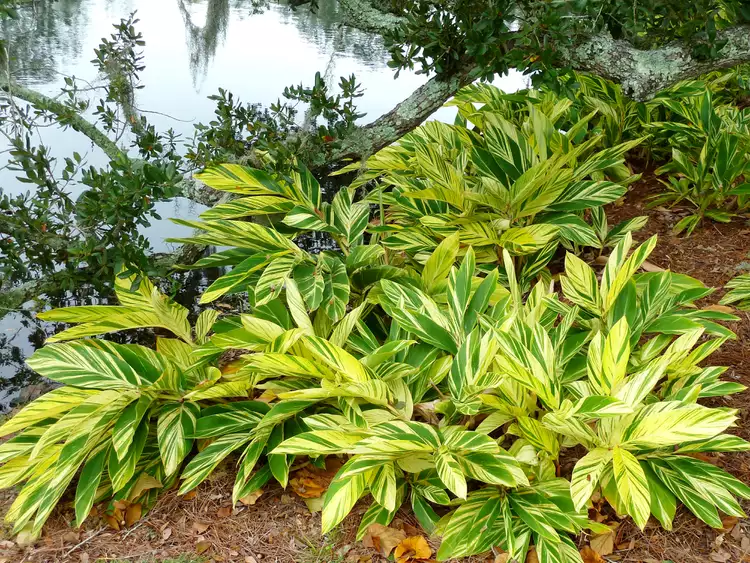
Shell ginger, a tropical foliage plant native to East Asia, is commonly grown as a landscape ornamental or houseplant in the U.S. It forms large upright clumps when growing outdoors in bright filtered light and moist shade, providing a tropical texture to the garden. When grown as a houseplant, shell ginger adds a tropical flair to any room.
Although it has shell-shaped buds and beautiful flowers, shell ginger (Alpinia zerumbet) blooms on old growth and might not bloom reliably for the home gardener. Consider this plant for its foliar charms rather than its flowering potential.
Shell Ginger Overview
| Genus Name | Alpinia zerumbet |
| Common Name | Shell Ginger |
| Additional Common Names | Pink porcelain lily |
| Plant Type | Annual, Perennial |
| Light | Part Sun, Shade, Sun |
| Height | 4 to 13 feet |
| Flower Color | Pink, Red, White, Yellow |
| Foliage Color | Blue/Green |
| Zones | 10, 11, 8, 9 |
| Propagation | Division, Seed |
Where to Plant Shell Ginger
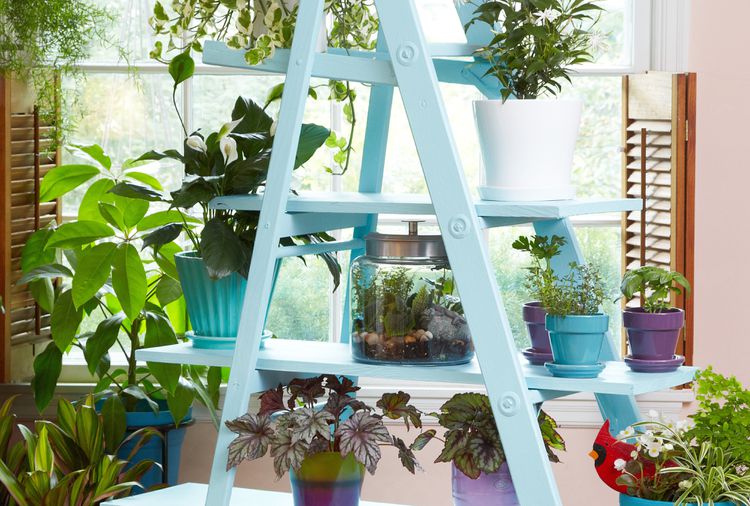
To thrive, shell ginger needs bright, filtered sunlight, nutrient-rich soil, and ample moisture, either indoors or outdoors, so plant it where these requirements can be easily met. To help shell ginger flourish as a houseplant, experiment with locations in your home to find the right balance of warm temperatures and sunlight.
When grown in a greenhouse, shell ginger can grow 10–13 feet tall and form a clump 3–4 feet wide. Although it is unlikely to reach this size when grown as a houseplant, where it rarely exceeds 6 feet tall, make sure to grow this plant where it will have enough room. Shell ginger can form large, heavy clumps that make the plant difficult to move, and the top-heavy growth may necessitate a heavy planter to ensure it remains upright.
How and When to Plant Shell Ginger
Shell ginger thrives in warm, humid weather and should not be planted outdoors until the danger of frost has passed. Established plants can tolerate light frosts and might be root hardy in freezing temperatures, but a frost or freeze early in the growing season can damage a young plant.
To plant shell ginger outdoors, dig a hole no deeper than the pot the plant was grown in and up to two times as wide. Install the plant at the same height as it was in the pot. If it is bare-root, plant the rhizomes about 1 inch beneath the soil line. Add a 2-3 inch layer of compost or mulch to retain moisture.
Shell ginger needs about 30 days of warm weather to begin actively growing at the beginning of the season. Be patient after planting.
Shell Ginger Care Tips
Light
Shell ginger grows best in bright, partial shade but tolerates morning or late afternoon sun. If you want to experiment with growing shell ginger in full sun, monitor the plants for signs of stress, including leaf scorch, and relocate to a shadier site as needed.
Soil and Water
This plant requires moist, well-drained soil rich in compost and nutrients to thrive. It needs lots of moisture but doesn’t tolerate standing water. Whether grown outdoors in the garden or indoors as a houseplant, keep the soil constantly moist but not saturated.
Temperature and Humidity
This plant prefers warm temperatures and high humidity. Shell ginger is root hardy to about 10°F (possibly colder), but it is evergreen in climates with little to no frost. Even a light frost can damage the stems, restricting the plant from reaching its full potential (up to 13 feet tall). With protection from winter winds, plants in Zone 8 might be partially evergreen, although a cold snap may cause the plant to die back to the ground.
Plants grown indoors need additional humidity, especially in winter when dry indoor air is common. Frequent misting with a spray bottle or plugging in a humidifier can help.
Fertilizer
Feed shell ginger monthly during the growing season with a balanced liquid fertilizer. Stop fertilizing while the plant is not actively growing in winter and wait until spring to resume feeding.
Pruning
Shell ginger requires little pruning when grown as an annual or tender perennial. Remove damaged leaves during the growing season and cut the plant to the ground when it goes dormant at the onset of cool weather. When growing this plant indoors where it will remain evergreen, remove stems as needed to shape the plant.
Potting and Repotting Shell Ginger
Shell ginger can grow outdoors in large planters, provided they don’t dry out during the growing season. In regions where shell ginger is not hardy outdoors through winter, plants should be allowed to go dormant and then brought indoors to a dry, cool (55°F) space, such as a garage or basement, and allowed to remain over winter. Keep the soil mix mostly dry to prevent rotting. As the temperature rises, begin acclimating shell ginger outdoors during the daytime.
Rhizomes can be lifted from the pots at the beginning of the growing season and separated into multiple clumps for repotting. Replant the rhizomes about 1 inch below the surface of the soil.
Transplant shell ginger growing as a houseplant to a slightly larger new pot early in the growing season when active growth is just beginning.
Pests and Problems
No serious pests target shell ginger outdoors. Spider mites can occasionally be a nuisance when it is grown indoors.
Although shell ginger thrives in moist soil, it doesn’t tolerate standing water. Perpetually saturated soil can lead to root rot. If you suspect root rot is affecting your plants, dig out the rhizomes and cut out and remove all the affected areas. Replant in a location with better drainage.
When grown as a houseplant, shell ginger may develop leaf scorch, indicating that your plant may be receiving too much intense sunlight. Plants allowed to get too cold or dry may turn brown at the edges of the leaves, while sun-scorched leaves will show damage on the side of the plant facing the window.
How to Propagate Shell Ginger
Propagate potted shell ginger by dividing the rhizomes as new growth emerges in spring. Lift the plant from the container and use a sharp knife to cut the plant into two or three sections, each containing roots and foliage. Repot them in fresh potting soil at the same depth they were growing and water well.
If the shell ginger plant is growing outside, use a sharp spade to cut it into three or more sections. Replant each division at its original depth in a prepared garden bed and water as usual.
Types of Shell Ginger
Variegata
Alpinia zerumbet ‘Variegata’ is a commonly available selection that reaches 4-6 feet tall and is small enough to grow as a houseplant. The variegated foliage appears to be irregularly dry-brushed with yellow paint, and the patterns vary widely from plant to plant. Although small enough to grow indoors, ‘Variegata’ is known to be hesitant to produce flowers even under ideal conditions. Grow this selection for the dramatic foliage.
Variegata Dwarf
Alpinia zerumbet ‘Variegata Dwarf’ shell ginger is similar in appearance to ‘Variegata’. This diminutive selection only grows 1 foot tall. It is not widely available in the marketplace.
Chinese Beauty
Alpinia zerumbet ‘Chinese Beauty’ is yet another variegated cultivar with light green and dark green variegated foliage. However, it doesn’t make a good houseplant; it grows to 8 feet tall.
Shell Ginger Companion Plants
Elephant’s Ear
Plant these giant tropicals alongside shell ginger in rich, moist soil with part sun or filtered light for an impressive foliage-forward summer display. The massive dark green leaves of elephant’s ear look incredible with the yellow and green of ‘Variegata’ shell ginger.
Ostrich Fern
The large yet delicate ostrich fern fronds provide a lovely foil to the robust upright structure of shell ginger plants. Experiment with other ferns to find what suits your garden best.
Hosta
Hostas come in all sizes, from downright diminutive to massive and stately. Pair medium to large hostas with shell ginger to create a contrast in form. The lateral leaves of the hosta provide a bed of color and texture to support the upright foliage of shell ginger.