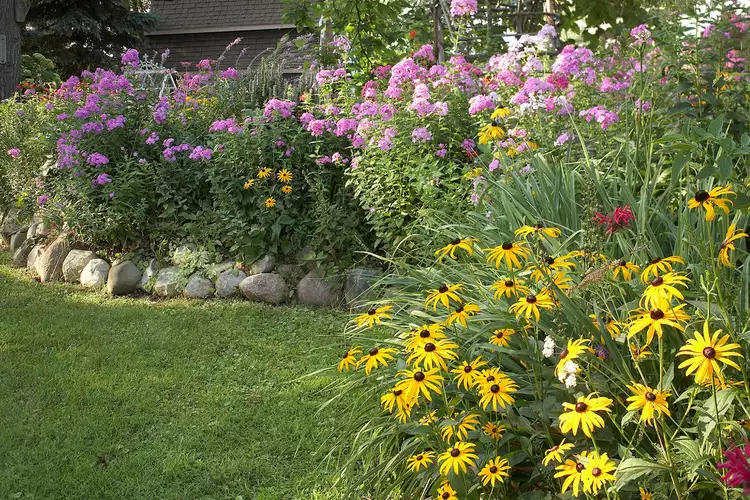
When weeds pop up in your flower beds, these pesky plants can ruin the whole show. But you can't just go roaring in with a weedwhacker and buzz all the greenery to the ground, nor can you spray everything with an herbicide. The trick is to remove weeds as soon as you see them, since they will only grow bigger and harder to deal with. If you miss them when they're just seedlings, the next best thing is to get rid of weeds before they flower and go to seed. The good news is that the more you clear out weeds, the healthier and happier your flowering plants will be.
How to Tell If It's a Weed
In the springtime, when little stems are pushing up from the soil in your flower bed, it can be hard to tell which plant is a weed and which is the beautiful, $20 perennial you bought last year. Familiarize yourself with the most common weeds in your area (and use a weed identification guide if you're not sure) so you'll be confident as you set forth with your tools in hand.
Use a Scuffle Hoe to Weed While Standing Up
A hoe lets you dispatch many small weeds quickly without having to crouch or kneel. One of the best types for maneuvering in tight spaces between plants in your flower bed is a lightweight scuffle hoe (the blade can wiggle back and forth rather than remain stationary). All you have to do is run the blade just under the soil surface to slice off the weed stems.
Dealing With Deep-Rooted Weeds
Unfortunately, the hoe trick doesn't work on all weeds. For the ones with deep or extremely dense root systems, you'll need a more targeted approach. For example, when you're up against dandelions, their long taproots have to be removed with a forked weeding tool or a garden knife. Bindweed and other stubborn plants with tough roots also require digging out, possibly with a narrow spade. Use these tips to make it easier on yourself when it's time to tackle these invaders:
- Pace yourself, and tackle one small section of the bed at a time
- Stay in the shade
- Protect your knees with a kneeling pad or a garden kneeler with handles
- Wear gloves
- Carry a weed bucket to dispose of pulled-up plants as you go, then dump them into the trash, never in the compost
Mulch After Weeding
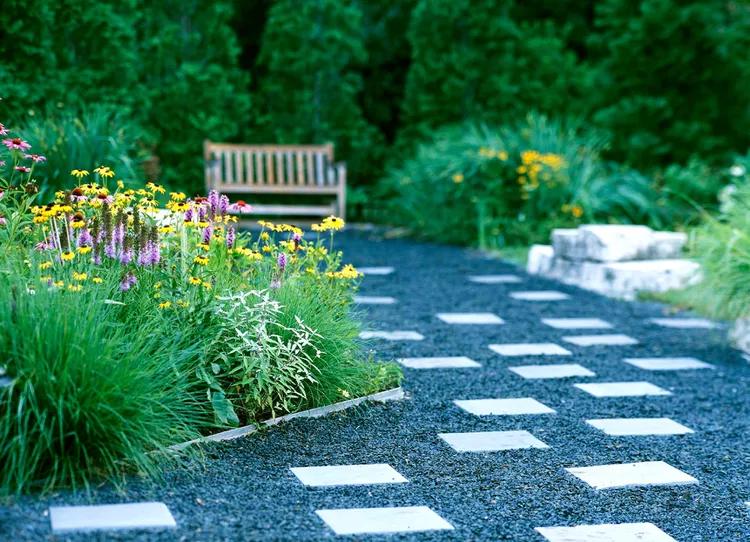
Once you've weeded out all the intruders in your flower bed, there will be open spaces where more weeds can take root. Stay one step ahead by filling in the bare spots with more flowers, or by spreading two inches of mulch over the entire bed. That's usually enough to smother any new weeds that try to sprout. To prevent rot, keep the mulch at least a couple of inches away from the stems of your flowering plants. You may also want to install edging around the border of your flower bed, both to prevent rain from washing the mulch away, and to keep grasses from creeping in from the lawn.
When and How to Sheet Mulch
If you have a flower bed that's just too overrun with weeds for you to make headway, even with your best tools, you may need to try a technique called sheet mulching or lasagna gardening. The idea is to blanket an area with mulch to completely smother weeds, roots and all. This is especially helpful when you have a large space where you want to start a flower bed, but that's currently growing nothing but weeds.
If there are a few desirable plants there, you can temporarily relocate them to containers, or to other beds, so you can more easily clean the weeded area. You can sheet mulch any time of year, but starting in spring is ideal, before any weeds have a chance to set seeds.
Start by cutting down the existing weeds. A lawn mower can help you do this quickly. Then, spread several layers of newspaper or cardboard over the area, making sure they overlap by at least six inches, so that no weeds will have a chance to sprout between them. Use a hose to thoroughly wet the layers, then cover them with 4 to 6 inches of mulch and wet that down.
In six to 10 months, all the plants under the sheet mulch will be dead and the newspaper or cardboard will have broken down, feeding the soil. You could use a layer of plastic over the ground, but then you'll have to remove it and store or recycle it. Using wastepaper is a trouble-free choice. Sheet mulching also works well for clearing areas of lawn that you want to convert to flowerbeds.