
• HOME
  • Container Gardens
  • Houseplants
  • Edible Gardening
  • Garden Design
  • Caring for Your Yard
  • Flowers
  • Pest & Problem Fixes
  • Trees, Shrubs & Vines
  • Landscaping
  • Garden Plans
  • Gardening Routine
  • Terms of Use
  • About Us
  • Privacy Policy
shadowspire.ccshadowspire.cc
  • HOME
  • Container Gardens
  • Houseplants
  • Edible Gardening
  • Garden Design
  • Caring for Your Yard
  • Flowers
  • Pest & Problem Fixes
  • Trees, Shrubs & Vines
  • Landscaping
  • Garden Plans
  • Gardening Routine
shadowspire.cc shadowspire.cc
shadowspire.cc » Pest & Problem Fixes » How to Make a Vinegar Weed Killer to Use on Walkways and Driveways
Pest & Problem Fixes

How to Make a Vinegar Weed Killer to Use on Walkways and Driveways

41.4K
2.9K
1.2K
How to Make a Vinegar Weed Killer to Use on Walkways and Driveways

If you've been looking for a non-synthetic way to kill weeds, you may already have it in your pantry: A vinegar weed killer can help control pesky plants that have popped up. However, while vinegar can be an effective means of weed control in certain cases, it is not a cure-all for weeds throughout your yard, and should be used with caution. Here's what you need to know to make your own vinegar weed killer and effectively use it.

How to Make a Vinegar Weed Killer

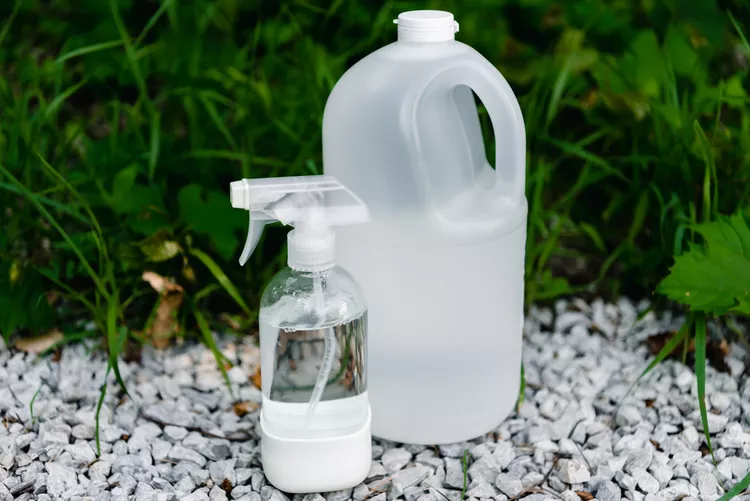
While household vinegar, which is 5% vinegar (acetic acid), can be sprayed on its own as a weed killer, you can improve vinegar's efficacy by making an easy solution. Here's how:

  1. Fill a large bucket with 1 gallon of white vinegar, 2 tablespoon of dish soap, and 1 cup of salt.
  2. Stir until everything is well combined.
  3. Add to a household spray bottle or garden sprayer.

How Vinegar Weed Killer Works

The acid in vinegar breaks down the cell walls of a weed, eventually causing it to die. It's important to note that vinegar is a contact herbicide, meaning it only kills what it touches.

Effectiveness of a Homemade Vinegar Weed Killer

A vinegar mixture works best on small, annual weeds. It's less effective with older weeds, perennials, or grasses. Drenching the roots of these more stubborn weeds with your DIY solution will likely be required (fall is a good time to do this), and even then, it probably wouldn't have much effect. It's also worth noting that this solution only kills the tops of the target weeds, leaving the roots that can regrow new shoots, so will require more than one application.

While salt in a vinegar weed killer solution helps dry out weeds, it can build up in the soil and damage it so nothing else will grow in that area. Apply sparingly and avoid using it in areas where you'd like other plants to grow.

When to Use Store-Bought Horticultural Vinegar

If you need to get rid of tough, perennial weeds, a 20% or 30% vinegar solution is best. This type of vinegar, sometimes called horticultural vinegar or herbicidal vinegar, can be found at garden centers, farm stores, or online. With a much higher acetic acid content than household vinegar, it's a potent solution that can eliminate these more stubborn weeds after a few applications.

When and Where to Apply Vinegar Weed Killer

Whether you're using horticultural vinegar or a homemade solution, vinegar is non-selective, meaning it will damage any plants and turf grass it touches, not just the weeds you are trying to kill. The best places to use vinegar weed killer, therefore, are between concrete seams in sidewalks, mulch or gravel paths, and driveways. It's usually easy to spray the vinegar in these areas without getting it on other plants.

As with any weed killer, select a day that is at least 70°F and sunny to apply it. The substance will be most effective when plants are actively photosynthesizing. Avoid days that are windy or rainy. Wind can carry the vinegar to places you don't want it. Rain weakens it, diluting its effectiveness.

To apply vinegar weed killer, get up close to the weed and spray it directly on the leaves. Wait at least two weeks before spraying again.

As with any weed killer or harsh material, follow safety precautions. Wear gloves, long sleeves, and pants to avoid contact. Take extra care with horticultural vinegar, which can burn the skin, harm the eyes, and cause bronchitis if inhaled. Protecting your eyes and skin are vital when applying it.

For a couple of days after applying the vinegar weed killer, you can expect the area to smell like a salad dressing exploded all over your yard. On the plus side, that powerful scent can deter deer, rabbits, and other pesky critters from entering your garden for a while.

How to Protect Other Plants from Vinegar Weed Killer

When you spray the vinegar onto weeds, make sure it isn't hitting nearby plants. If you want to be extra-careful about avoiding spread, paint the vinegar onto the weeds with a brush, make sure the vinegar makes contact with all the foliage. Do not use vinegar to kill weeds in planted beds or in the lawn. In those areas, it's best to remove weeds by hand, with mulch, or other methods.

Frequently Asked Questions

  • How long does it take vinegar to kill weeds?

    When used on the right kind of weeds, vinegar works within 24 hours. Other weeds may need a few applications.

  • Is vinegar safe to use as a weed killer around pets and small children?

    Yes, it's safe. Household vinegar won't harm either children or pets once it's sprayed. Always take safety precautions, however, when applying vinegar, particularly in higher concentration solutions.

  • Will vinegar harm insects or other wildlife?

    It can kill ants, spiders, and mosquitos. Vinegar can be lethal to bees, so if you grow plants to attract pollinators to your garden, it's better not to use vinegar to kill weeds where they grow.

  • Will vinegar weed killer damage concrete, metal, wood, or other surfaces?

    Vinegar is an acid and can damage wood and marble, so it's a good idea to not spray it near planters or patios with these surfaces. It should not damage concete.

  • Will vinegar keep weeds from returning?

    A homemade vinegar solution can effectively kill younger weeds, but is not a permanent solution for tougher weeds, unless you are diligent about reapplying and soaking the roots. Horticultural vinegar can be more of a long-term solution because it kills the root after a couple applications.

Related Posts

40.9K
408
163

19 Rabbit and Deer-Resistant Container Plants for Your Garden

1.1K
84
21

7 Must-Know Tips for Overseeding Your Lawn

34.6K
3.5K
1.3K

The Plant Food That Saved My Roses Is Almost at My Local Flower Shop, but It’s at Amazon Right Now

13.9K
277
124

How to Deadhead Flowers for the Longest Blooming Plants

32.3K
2.6K
439

How to Plant and Grow Crossvine

16.5K
822
378

6 Surprising Benefits of Planting Trees

20.9K
1.5K
365

10 Native Alternatives to Invasive Plants Growing in Your Garden

43.4K
3K
576

How to Plant and Grow Horsetail

4K
239
74

How to Make a Garden Water Feature Out of a Pot

40.6K
2.8K
653

How to Plant and Grow Papyrus

5.7K
169
65

8 Small Front Yard Landscaping Ideas to Make the Most of Your Space

18.1K
1.6K
634

How to Plant and Grow Tufted Hair Grass

6.4K
572
97

How to Grow and Care for African Violet

33.6K
1.3K
416

How to Harvest Mint, Dry Mint, and Store Mint

13.8K
1.2K
532

12 Tips for Growing Lettuce in Containers from Seed to Salad

35.2K
1.4K
521

How to Plant and Grow Chayote

9.9K
495
103

15 Simple Vegetable Garden Ideas and Tips for Boosting Your Harvest

48.3K
4.3K
434

17 Deer-Resistant Shade Plants That Will Brighten Up Your Garden

41.4K
2.9K
1.2K

How to Make a Vinegar Weed Killer to Use on Walkways and Driveways

8.6K
513
133

4 Seed Starter Pots You Can Make with Upcycled Household Items

19 Rabbit and Deer-Resistant Container Plants for Your Garden
7 Must-Know Tips for Overseeding Your Lawn
The Plant Food That Saved My Roses Is Almost at My Local Flower Shop, but It’s at Amazon Right Now
How to Deadhead Flowers for the Longest Blooming Plants
How to Plant and Grow Crossvine
6 Surprising Benefits of Planting Trees
10 Native Alternatives to Invasive Plants Growing in Your Garden
How to Plant and Grow Horsetail
How to Make a Garden Water Feature Out of a Pot
How to Plant and Grow Papyrus
8 Small Front Yard Landscaping Ideas to Make the Most of Your Space
How to Plant and Grow Tufted Hair Grass
How to Grow and Care for African Violet
How to Harvest Mint, Dry Mint, and Store Mint
12 Tips for Growing Lettuce in Containers from Seed to Salad
How to Plant and Grow Chayote
15 Simple Vegetable Garden Ideas and Tips for Boosting Your Harvest
17 Deer-Resistant Shade Plants That Will Brighten Up Your Garden
How to Make a Vinegar Weed Killer to Use on Walkways and Driveways
4 Seed Starter Pots You Can Make with Upcycled Household Items
shadowspire.cc ©2025
  • Terms of Use
  • About Us
  • Privacy Policy