Love birds and want to create a space for them to spend more time in your yard? A birdhouse will help entice feathered beauties to spend more time near your home. Along with making sure you're providing a bird-friendly backyard habitat, you'll want to hang your birdhouse in the optimal place and consider the best type of birdhouses to use. Here’s what you need to know about how to attract birds to a birdhouse in your yard.
Which Birds Use Birdhouses
To attract birds to a birdhouse, the first step is knowing the nesting habits of the species you want around. Cavity nesting birds, such as bluebirds, chickadees, flycatchers, nuthatches, trogons, and wrens as well as some duck species, use birdhouses or nest boxes. According to Zach Hutchinson, ornithologist and owner of FlockingAround, “Over 60 species regularly use a properly built and placed birdhouse.”
Zach Hutchinson is an ornithologist and owner of FlockingAround, a birding website.
Tips for Attracting Birds to a New Birdhouse
Before setting up a birdhouse, there are several things to consider to ensure success. And think about a bird’s perspective. “Birds nest where needs are met,” says Hutchinson.
1. Know the bird species in your region.
Putting up a birdhouse doesn’t guarantee birds will automatically arrive at the new doorstep. Familiarize yourself with the bird species that inhabit the area where you live. “I generally recommend that birdhouse enthusiasts seek to attract birds that are already present in their neighborhoods, or in the directly adjacent fields or woods,” says Marc Parnell, ornithologist and bestselling author of The Birding Pro's Field Guides. “This ensures that nearby foraging habitat is likely very accessible and that the nest box will be more quickly discovered.”
Marc Parnell is an ornithologist and bestselling author of The Birding Pro's Field Guides.
2. Plant natives.
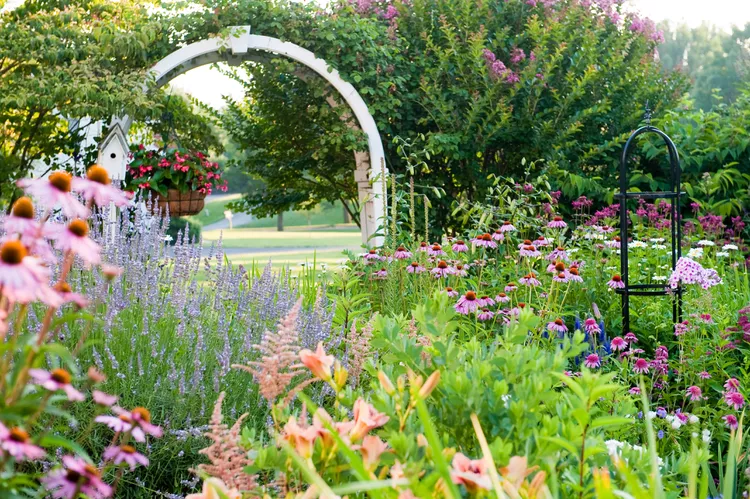
Make your backyard or front lawn a haven for many avian species simply by choosing the right plants. “Native flowers, grasses, shrubs, and trees host native insects, the most critical food to almost all nestbox birds,” says Hutchinson. Parnell adds, “Many birds are naturally specialized to forage, hide, and roost in native plant life, and such a landscape consequently fosters a more diverse avian ecosystem.”
3. Provide a water source.
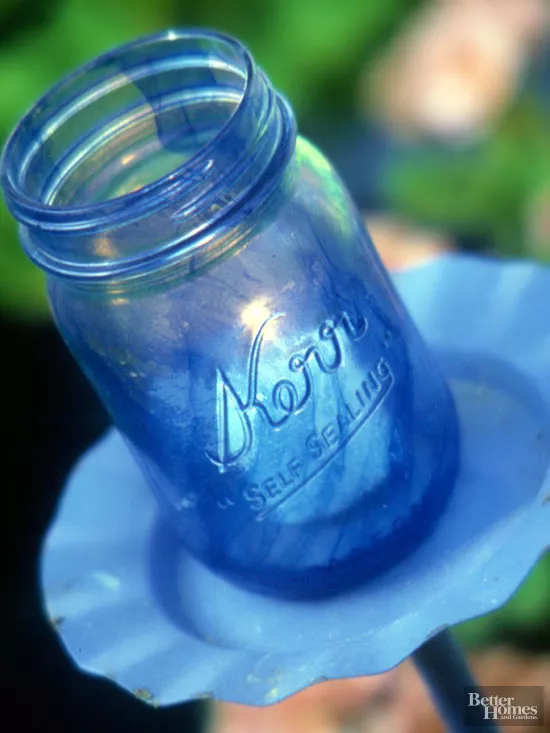
Birds need access to water to drink and bathe. Hutchison knows offering a water source for birds may not be possible for everyone but a natural basin where water can collect will suffice. “Use a scalloped stone or a flat, shallow dish to collect rain and dew,” Hutchinson says. “These collectors help our feathered friends have a semi-reliable water source.”
4. Add a bird-feeding station.
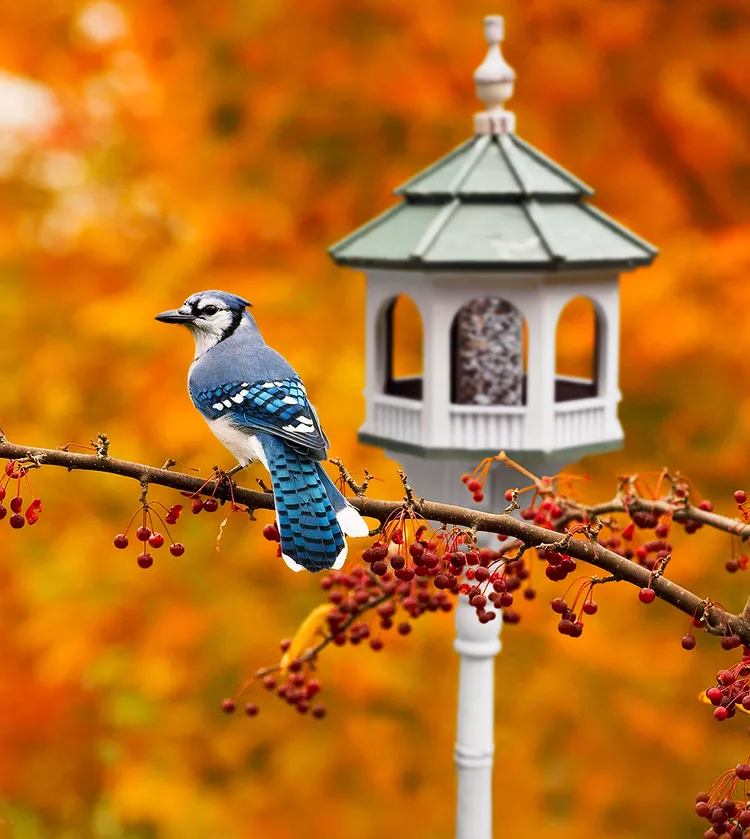
Set up a birdfeeder for the types of bird species you want to attract. “Many birds follow the same foraging routes each day, and others selectively choose breeding territories based on the available resources at hand: both of which can lead to a single backyard receiving bustling hordes of dependable visitors for years to come,” explains Parnell.
5. Offer brush piles.
If you like your yard tidy and manicured, find an out-of-the-way spot where you can leave out some branches and yard debris, known as brush piles, for wild birds to create a home. “Brush piles offer an outstanding source of shelter to many birds, which can further increase the likelihood of a wider variety of species visiting your immediate surroundings,” says Parnell.
6. Minimize predators.
Birds need to feel safe wherever they seek shelter. Ensure your birdhouse is easy for birds to reach but not for predators. Keep in mind some bird species can be predators of other birds. “House sparrows and European starlings are two aggressive, invasive bird species that will try their hardest to displace your native nestbox users,” says Hutchinson. “Use predator baffles to keep raccoons, squirrels, rats, and snakes from crawling up your birdhouse pole and raiding the nest.”
7. Choose a birdhouse for the bird species you want to attract.
Birds are particular about their nest as well as the type of birdhouse they like so keep that in mind when selecting a birdhouse. “If you seek to target certain birds, consider searching online for species-specific blueprints or for well-reviewed nest boxes that fit the recommended dimensions,” says Parnell.
8. Leave birdhouses empty.
You may be tempted to decorate the inside of a birdhouse and create a cozy environment but leave it to the birds to decide what they place inside their home. “Birds tend to be highly particular, and are likely to even remove any suggested starting materials provided by a well-intentioned owner,” says Parnell.
9. Have patience.
With many variables influencing where birds take shelter, don’t be surprised if they aren’t using the birdhouse immediately. “Be patient! It may take a year or two for the suitable species to find and fill your newly mounted birdhouse,” says Hutchinson. “Lack of use does not mean you have not provided an optimal space.” He shares it’s possible that a bird hasn’t found your birdhouse yet.
Where to Hang a Birdhouse
1. Choose a protected spot.
Placing the birdhouse in a protected space is important. Parnell says, “[Place] near plenty of natural shelters, such as thick shrubbery or low-hanging branches.” You also want to avoid placing a house near a birdfeeder. “Birdhouses and nest boxes are often best positioned in a location at least 60 feet from any bird feeders to reduce the risk of curious visitors disturbing the nest,” he says.
And if you plan to have several birdhouses, place them 30 to 50 feet apart from each other, advises Parnell. “Birds are frequently highly territorial with regard to their breeding territories, and this ensures healthier and more peaceful nesting periods,” he says.
2. Pay attention to orientation.
Location is key but the orientation is, too. Consider the amount of sunlight and wind a birdbox will receive. “Some birds like their houses to face the morning sun, while others prefer to always be in the shade,” says Hutchinson. As a rule of thumb, avoid the hot afternoon sun. “Birdhouses should typically face away from the hot afternoon sun and from any prevailing winds,” explains Parnell. “This means that westward-facing entrances (i.e., into the afternoon sun) are the least recommended direction of placement, while northeasterly, easterly, or southeasterly orientations are often preferred."
3. Ensure stability.
Hanging a birdhouse may seem like an easy and obvious choice but birds seek stability in their home. Parnell shares that a hanging birdhouse must be stable so consider hanging the birdhouse “with a short chain or in an area sheltered from high winds.”
Another option is to use poles and tree trunks. Pole-mounting requires a more intensive setup process, but this often ensures the best protection from predators and may allow for specific height adjustments to suit target species,” says Parnell. “For instance, while Eastern bluebirds and Carolina wrens prefer heights of about five to six feet off the ground, purple martins usually prefer heights of 10 to 18 feet.”
Choosing the Best Birdhouse
1. Pick the right materials.
Wood is a preferred material for birdhouses. “Materials such as plastic or metal can trap moisture and result in unhealthy temperature spikes, which can reduce the long-term viability of the nestlings,” says Parnell. You also want to make sure the wood hasn’t been treated. “Avoid using chemically treated boards and toxic glues,” Hutchinson says.
2. Pay attention to dimensions.
Create a safe space with the right size entrance. “Smaller entrance holes are better to ensure the safety of the nest: especially for diminutive species such as titmice and wrens,” says Parnell. The ideal size depends on the bird species you want to attract. “There are several readily available charts online which provide exact specifications for each species and its preferred entrance size,” he says.
3. Natural colors are best.
“Painting the exterior of the birdhouse is a wonderful way to increase its durability,” says Parnell. “Naturally colored birdhouses which approximately blend with the immediate surroundings tend to provide the best measure of safety."